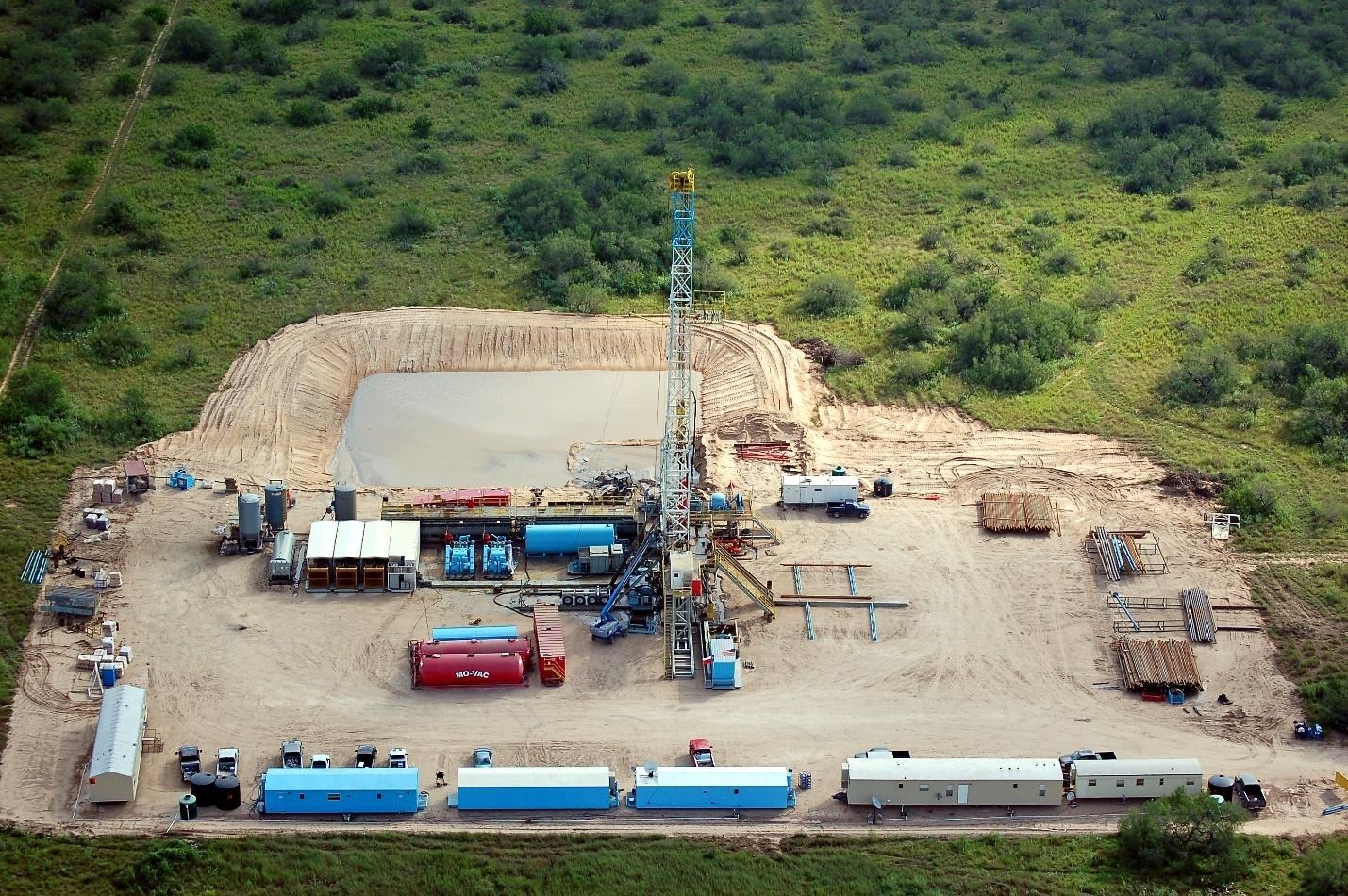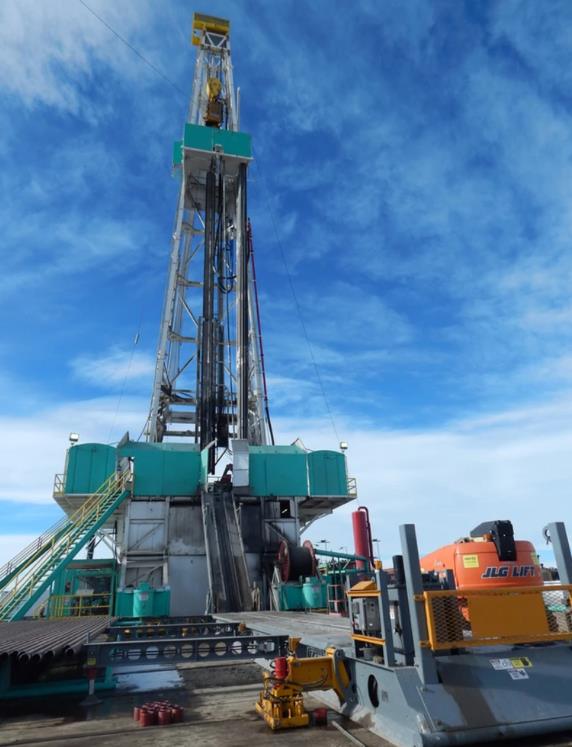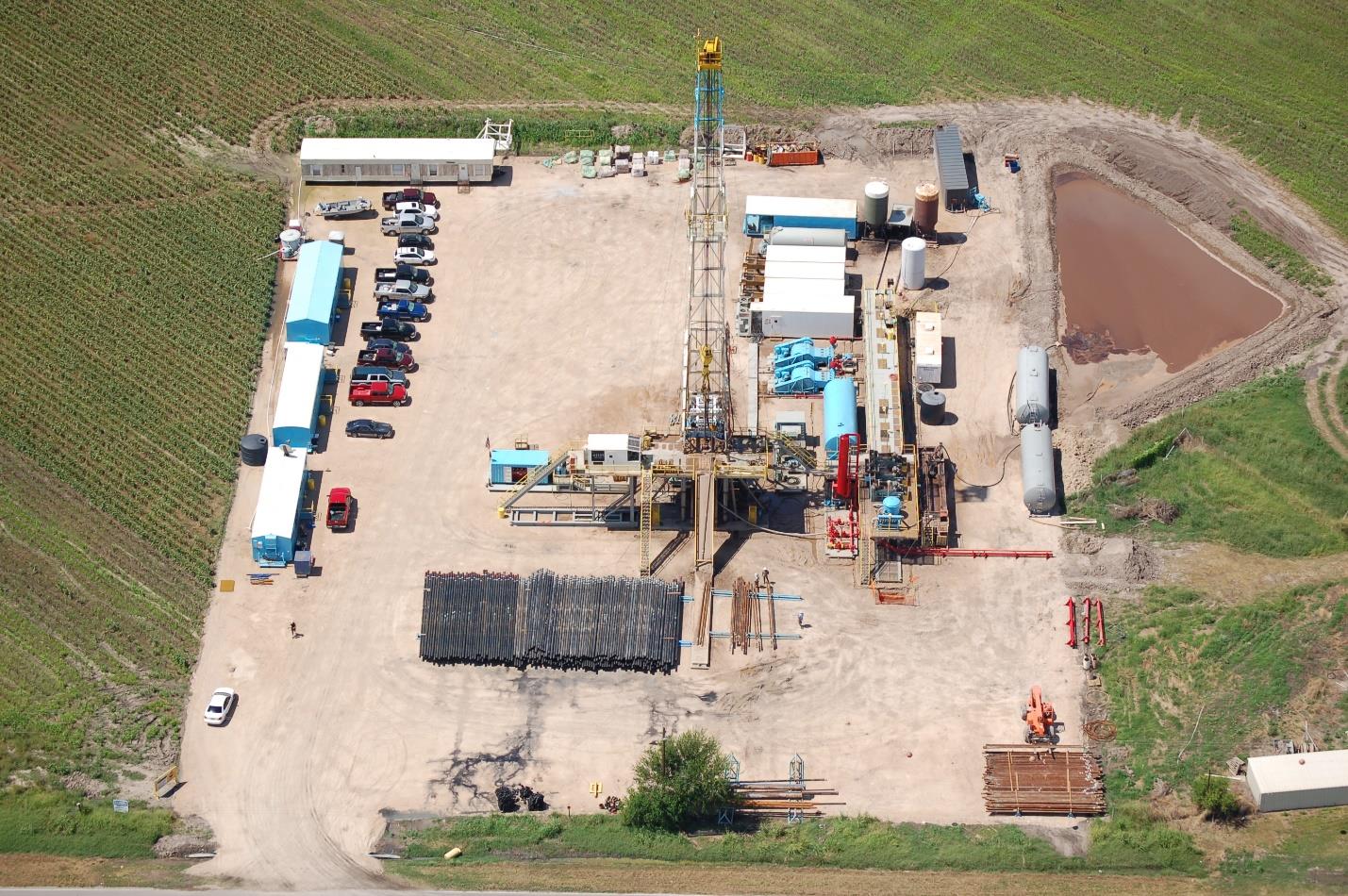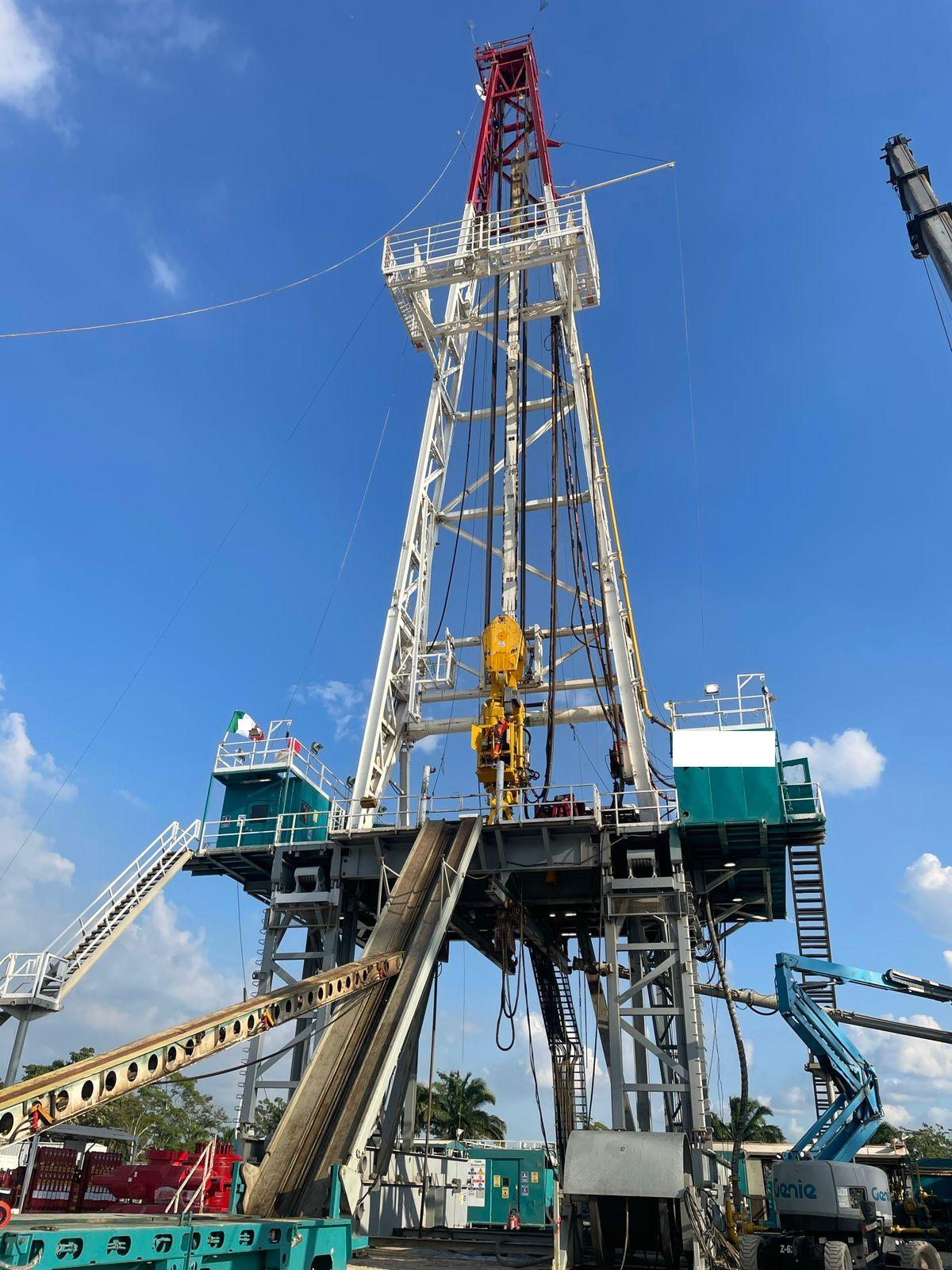
Land Rig
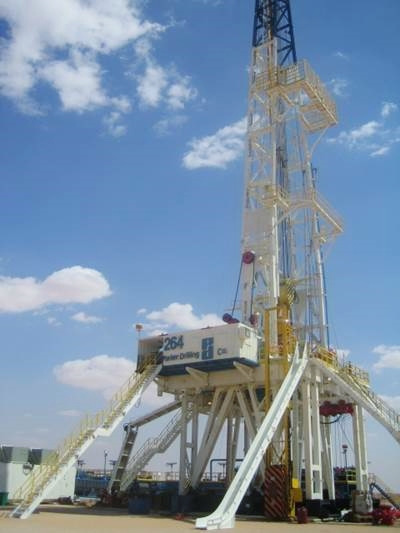
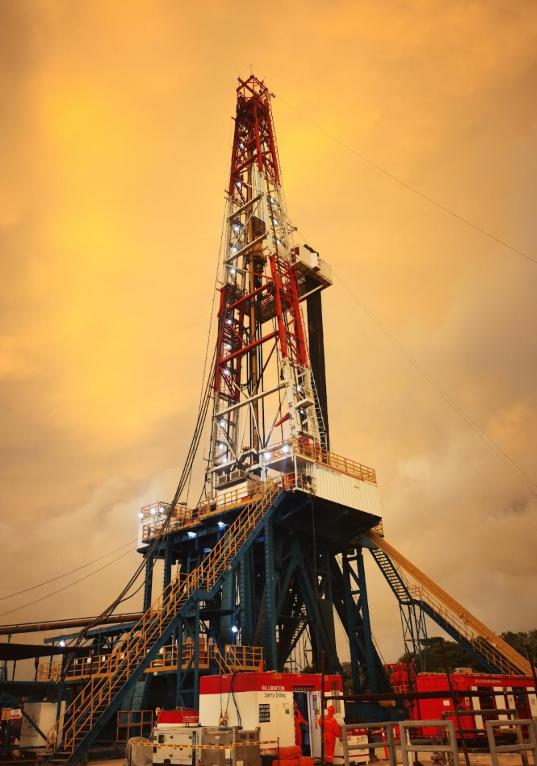
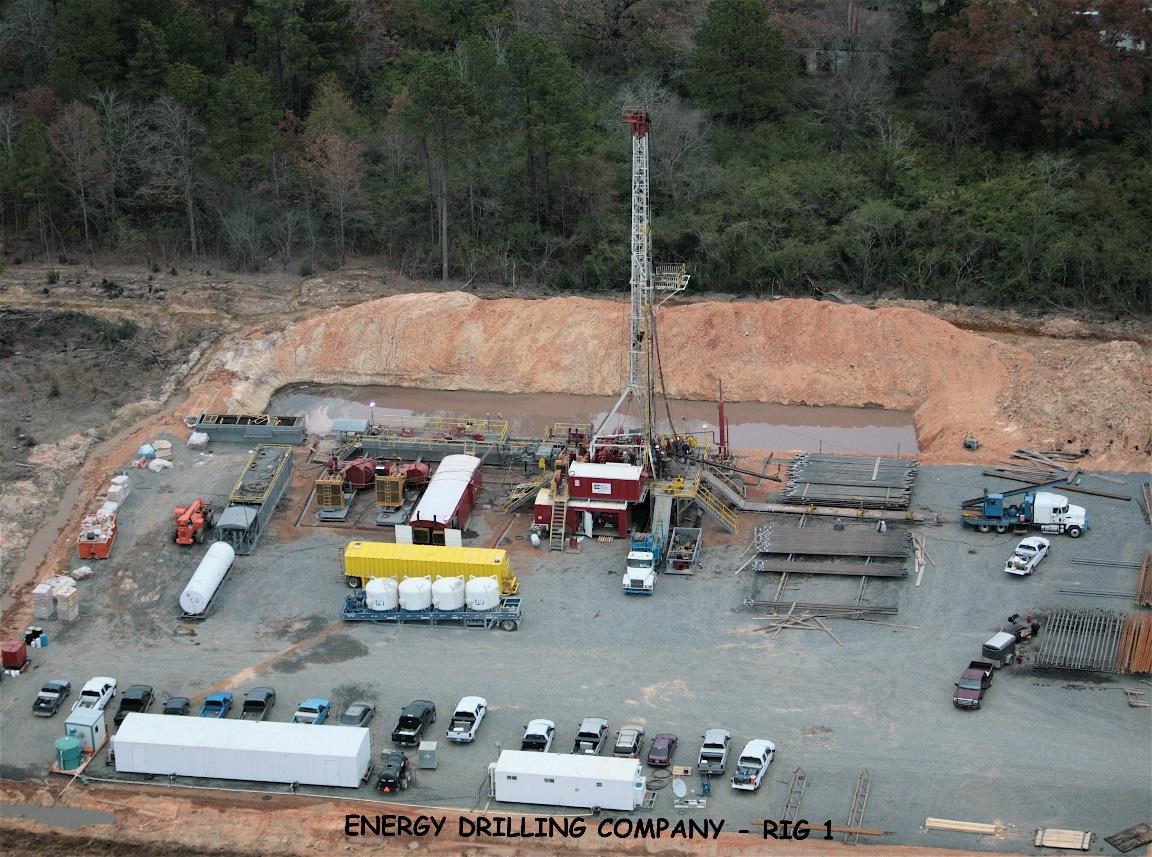
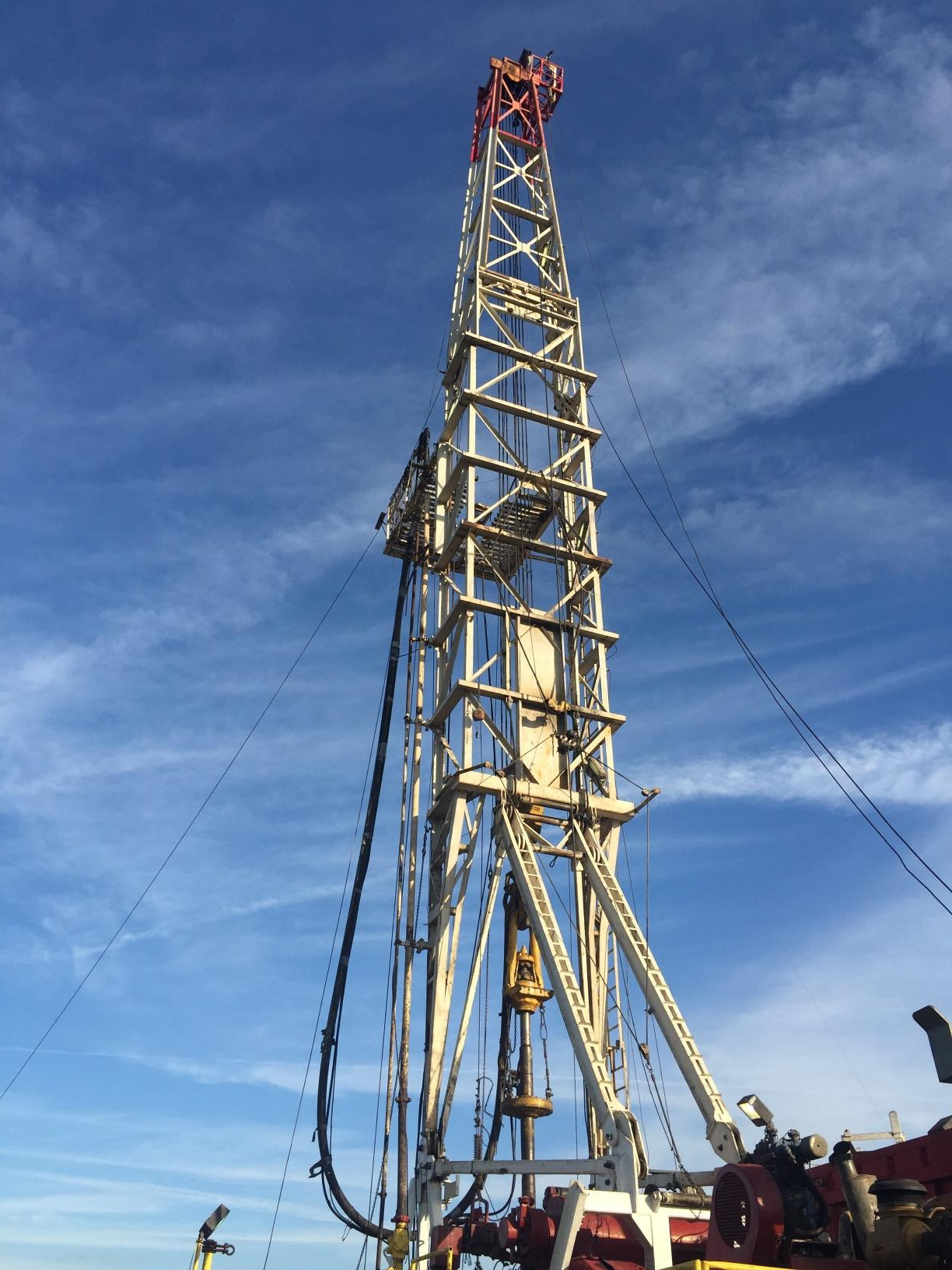
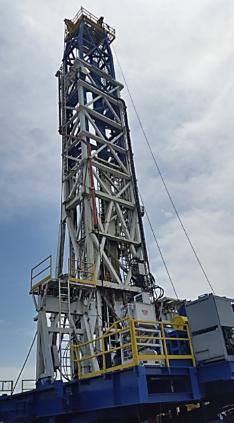
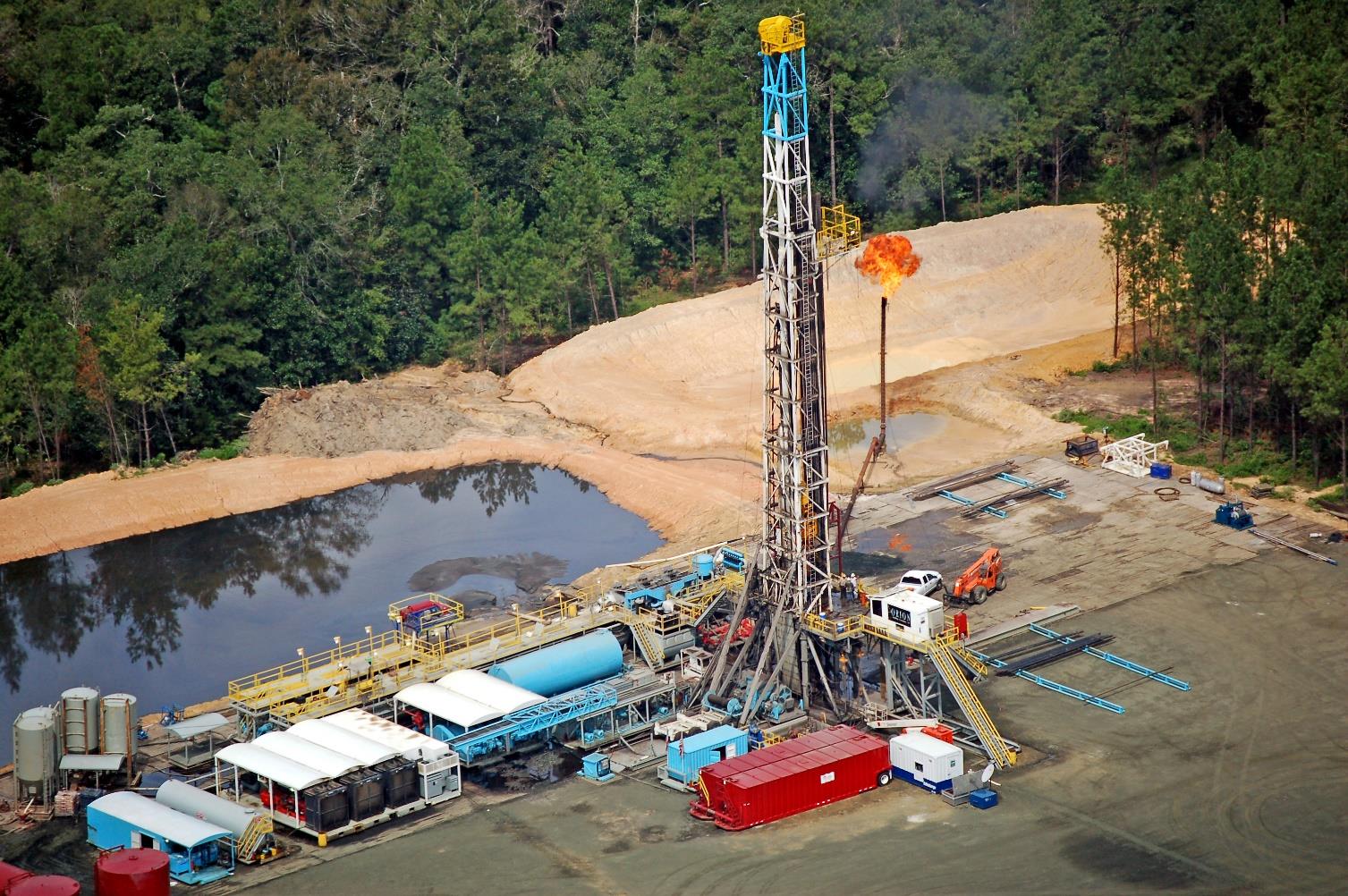
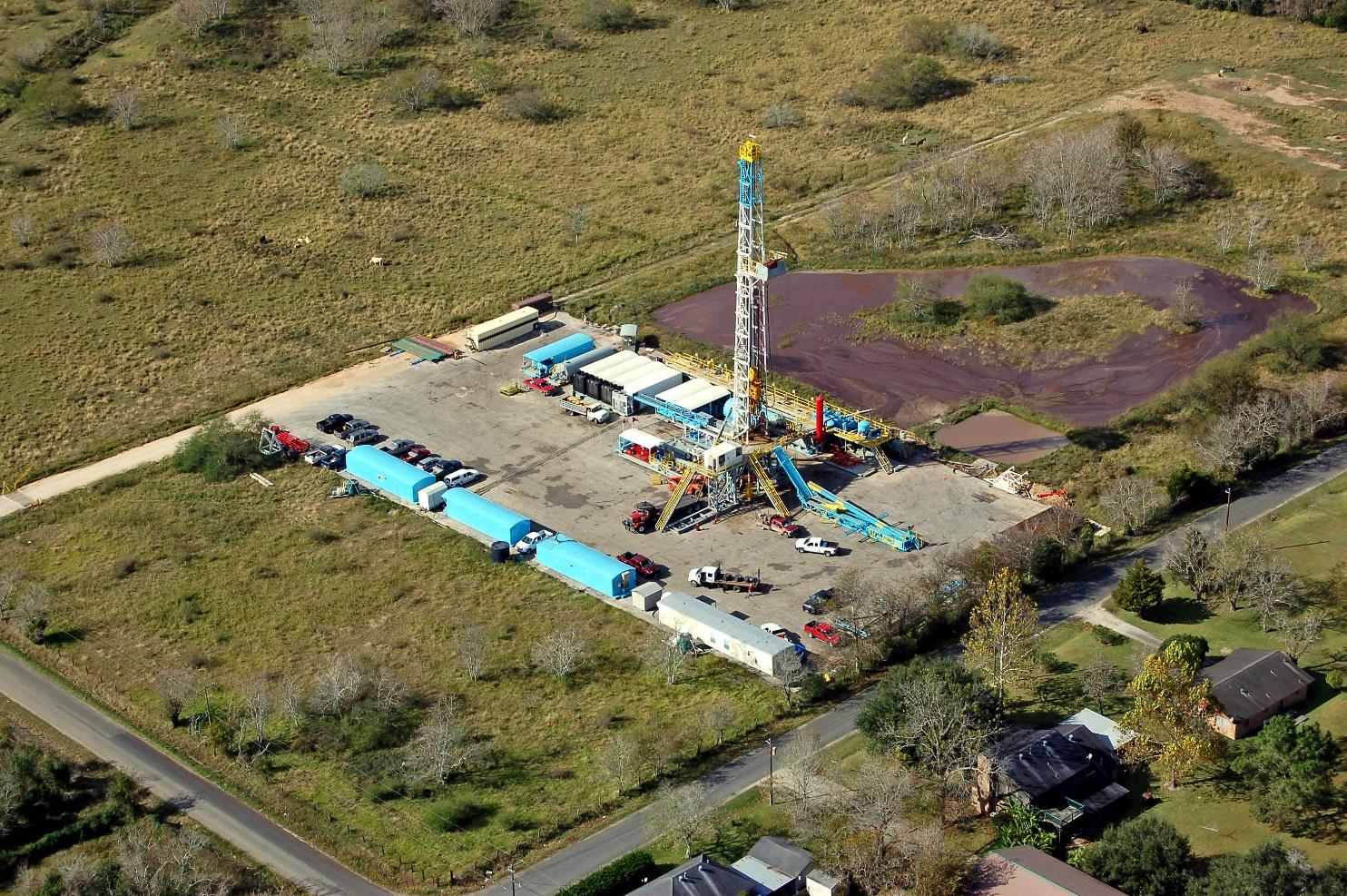
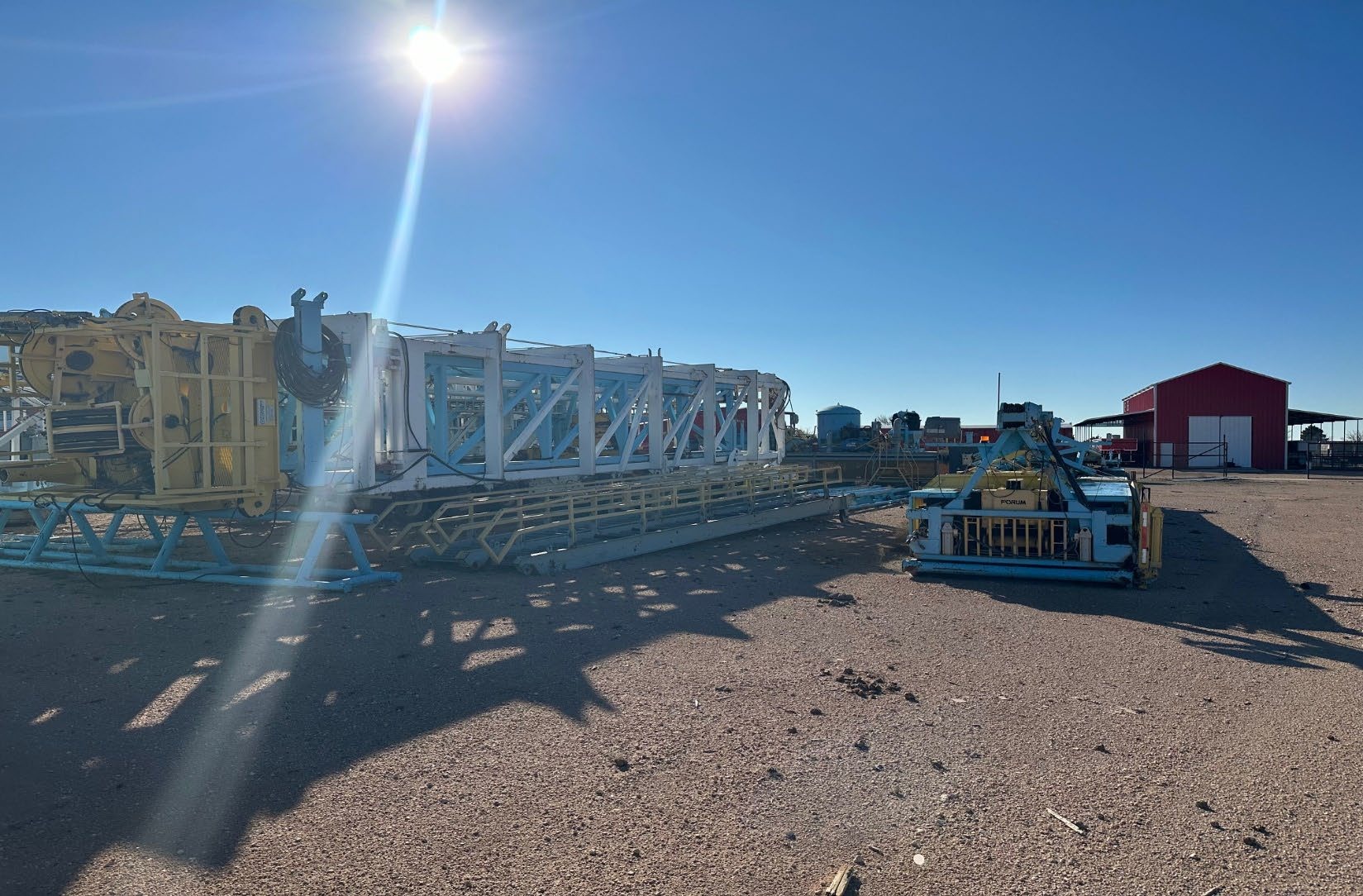
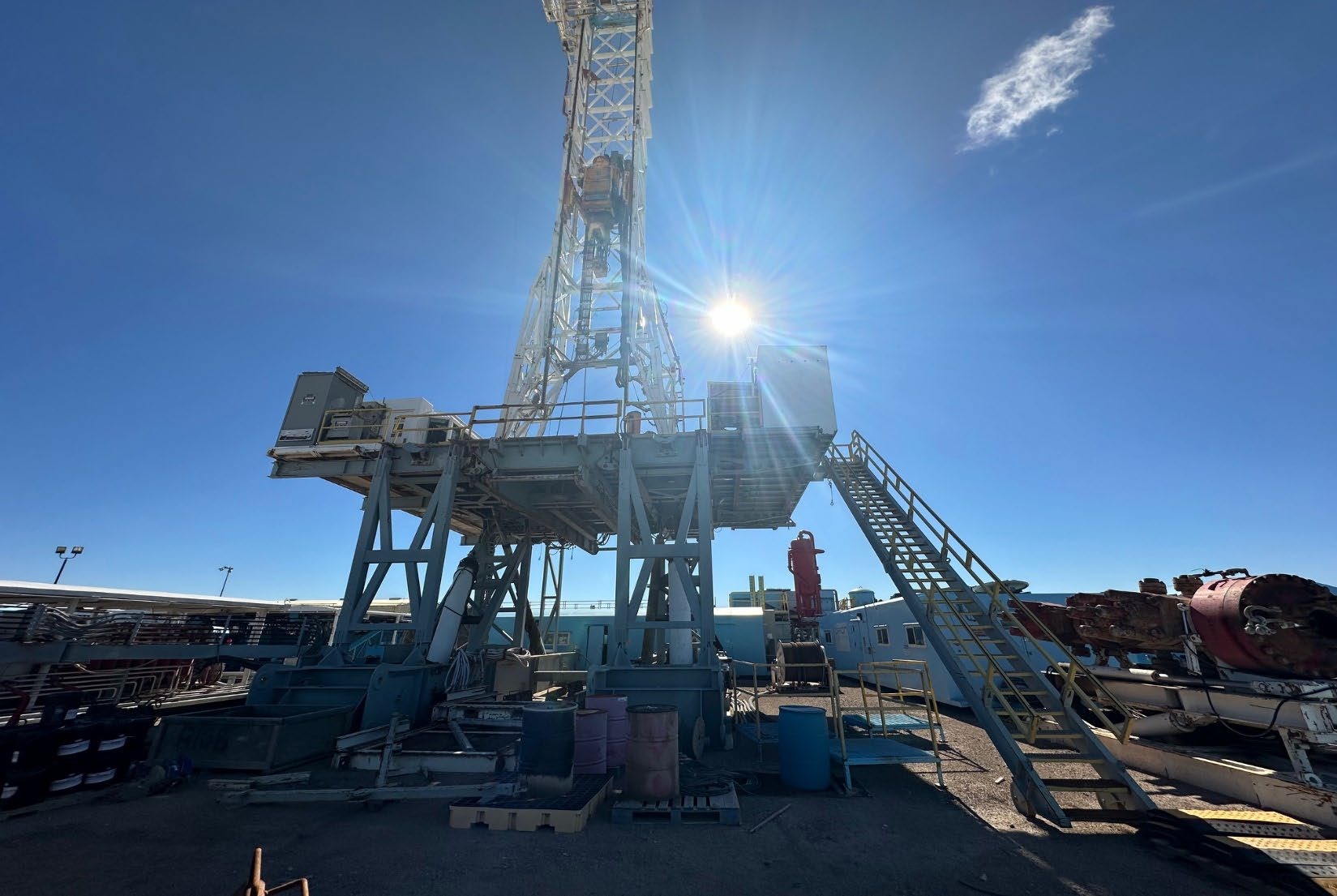
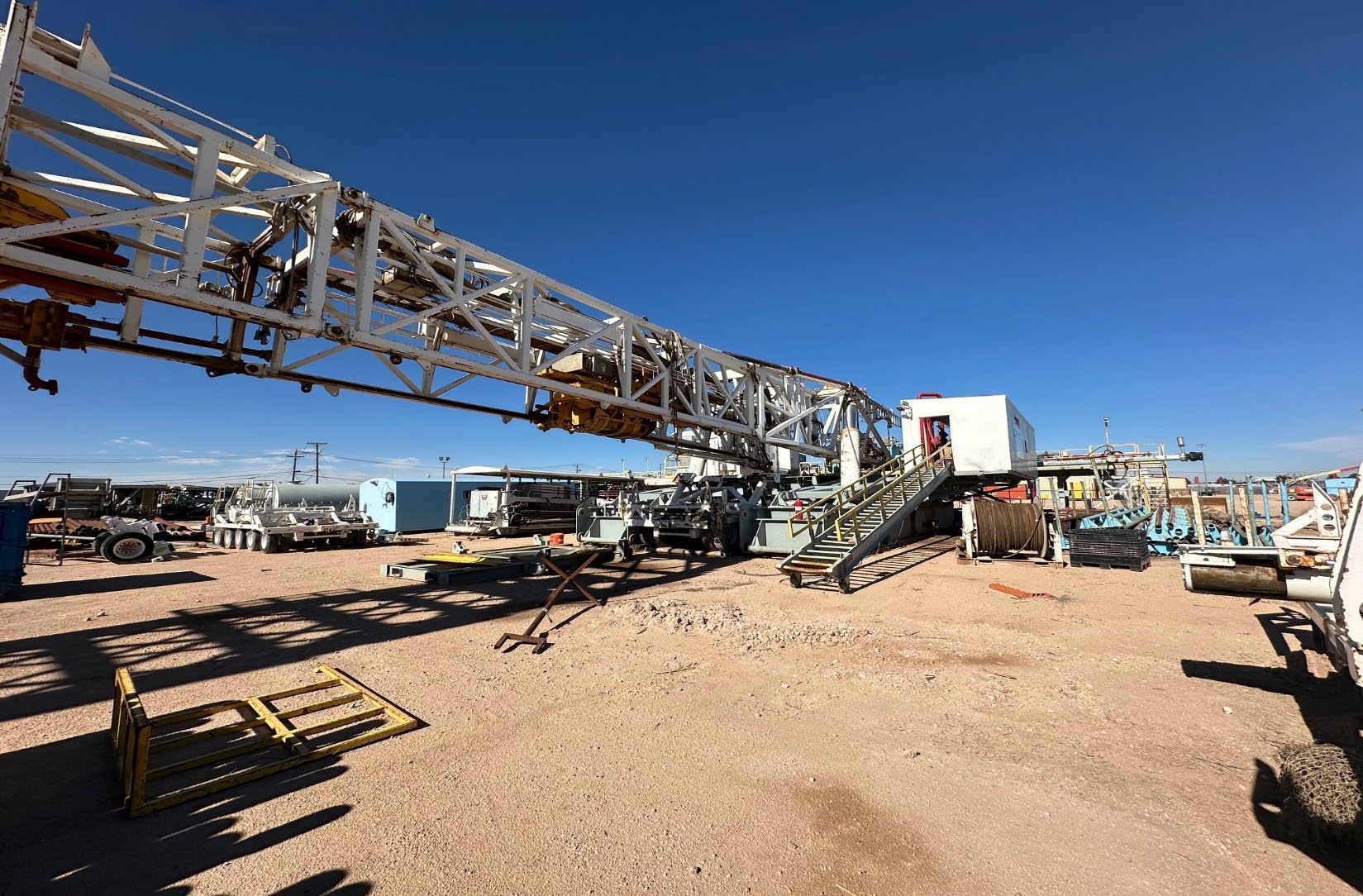
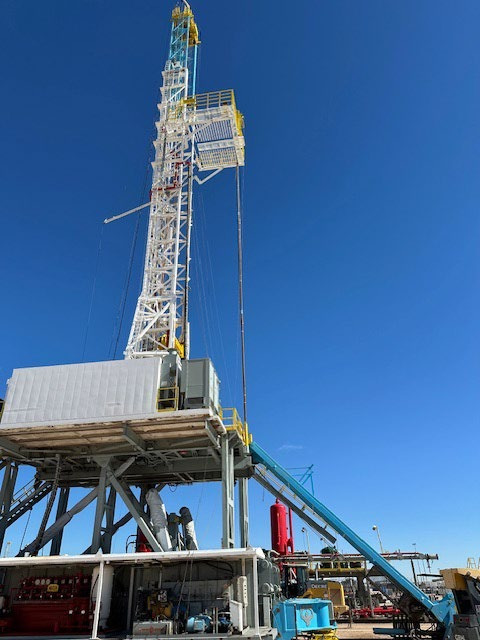
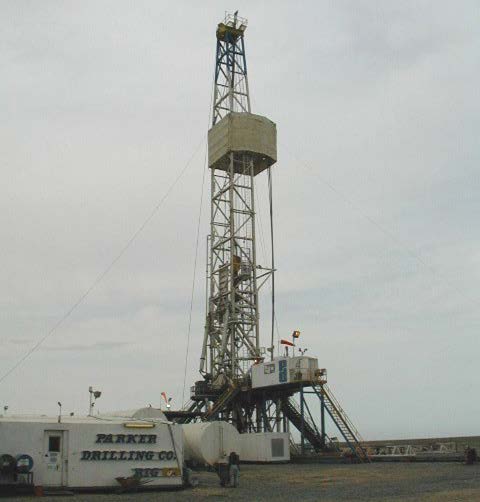
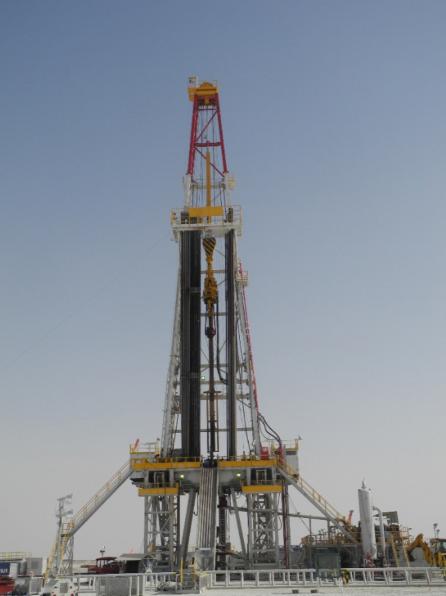
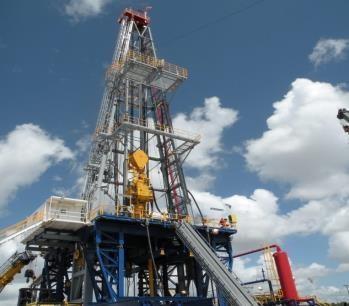
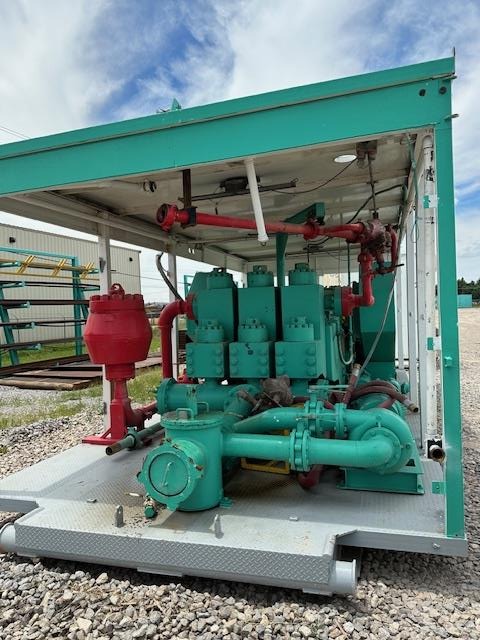
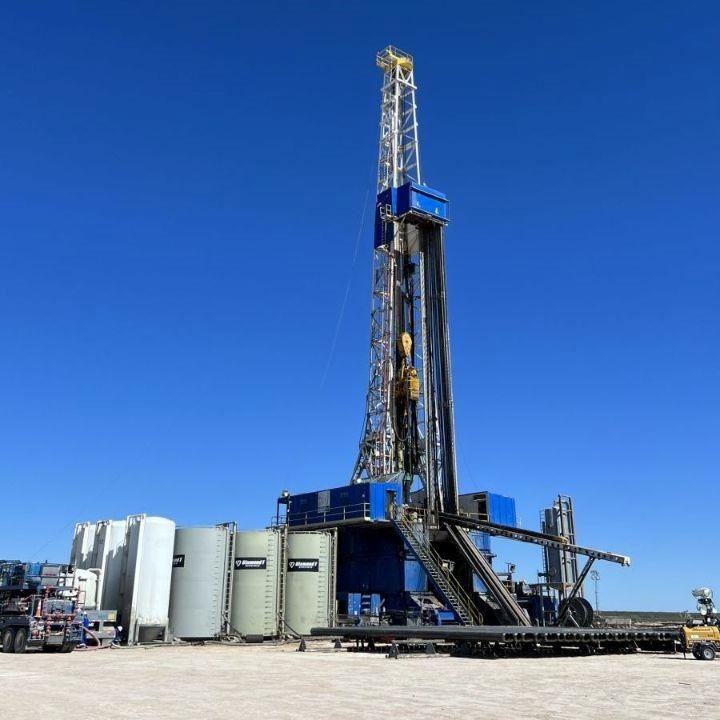
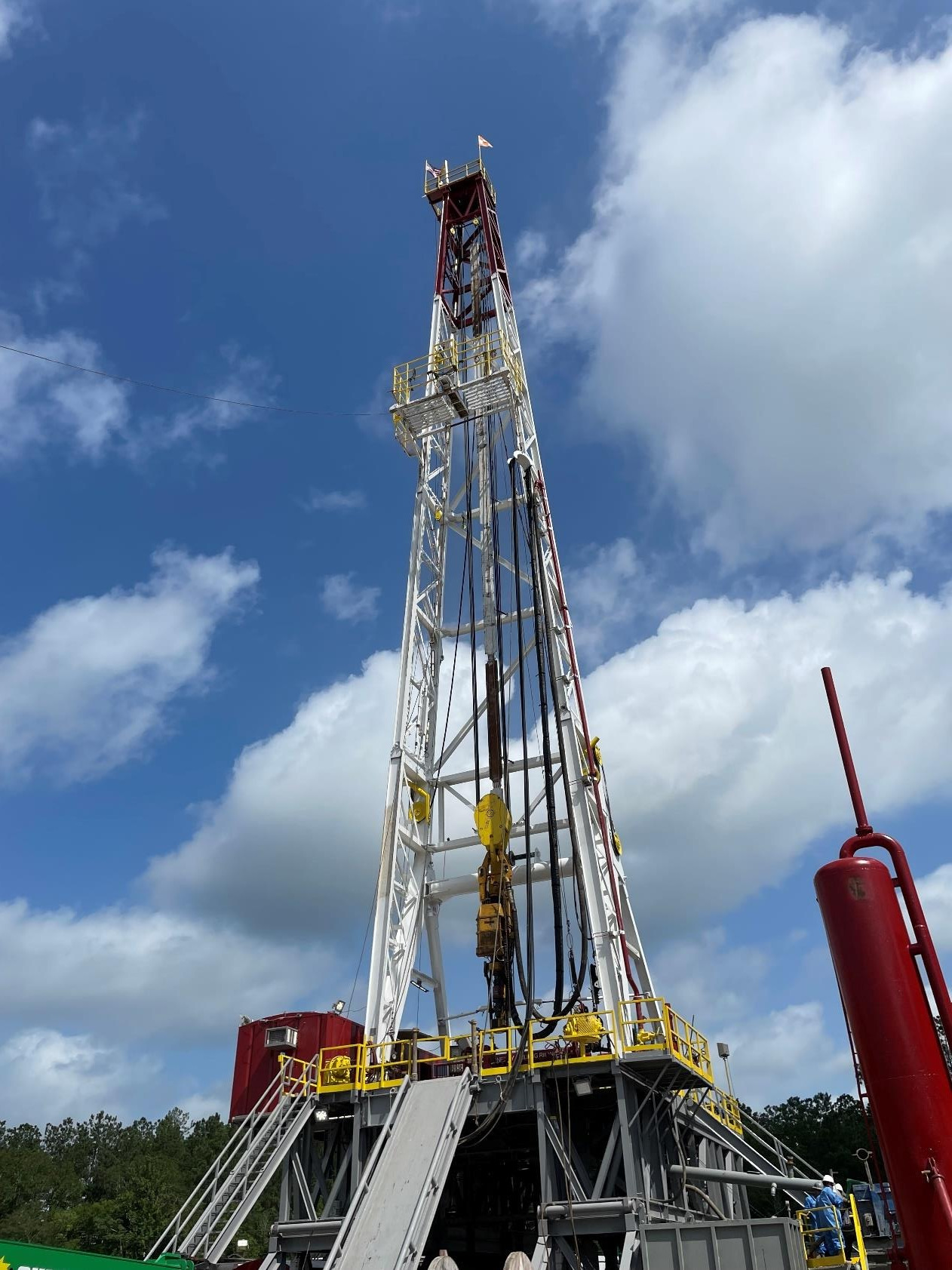
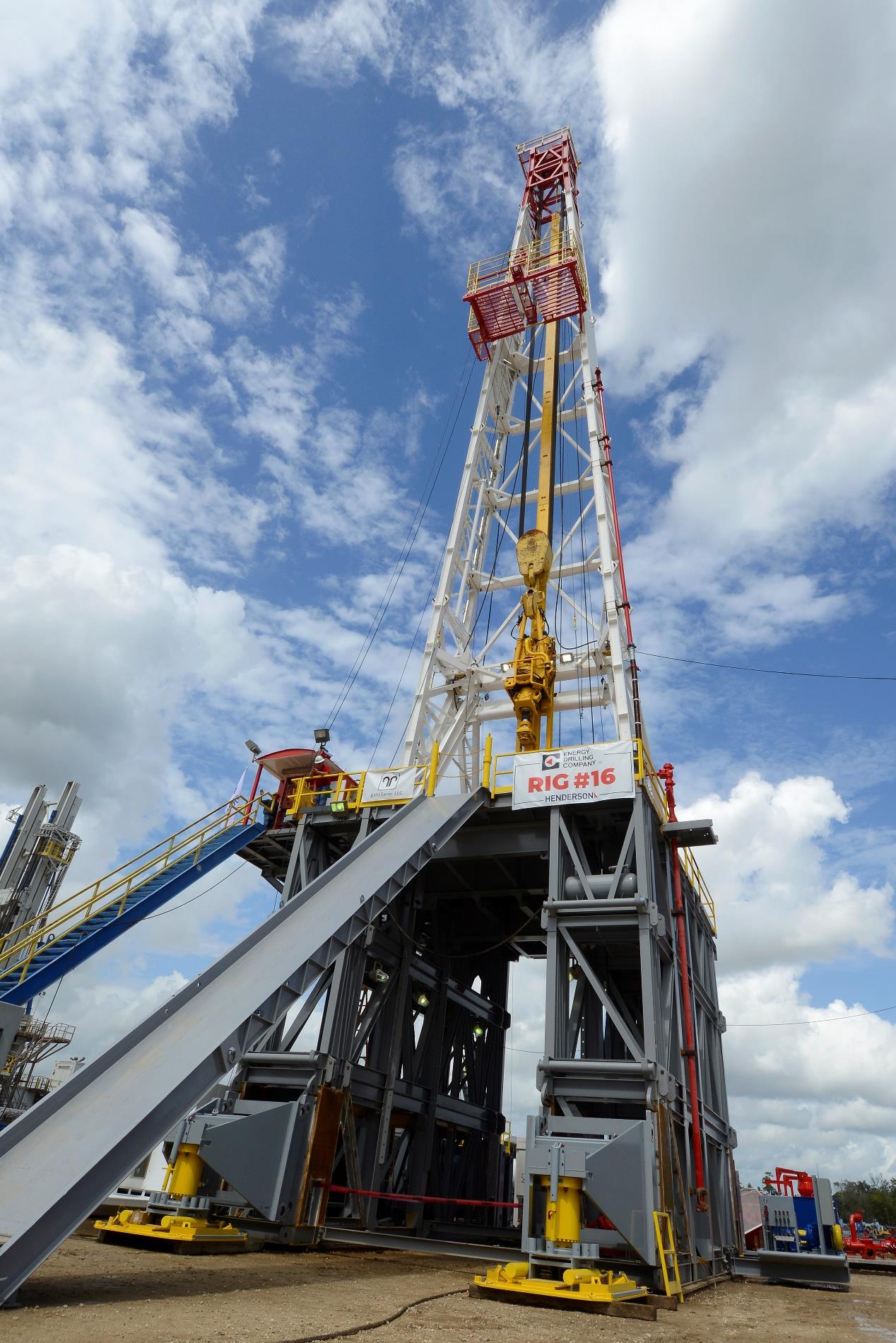
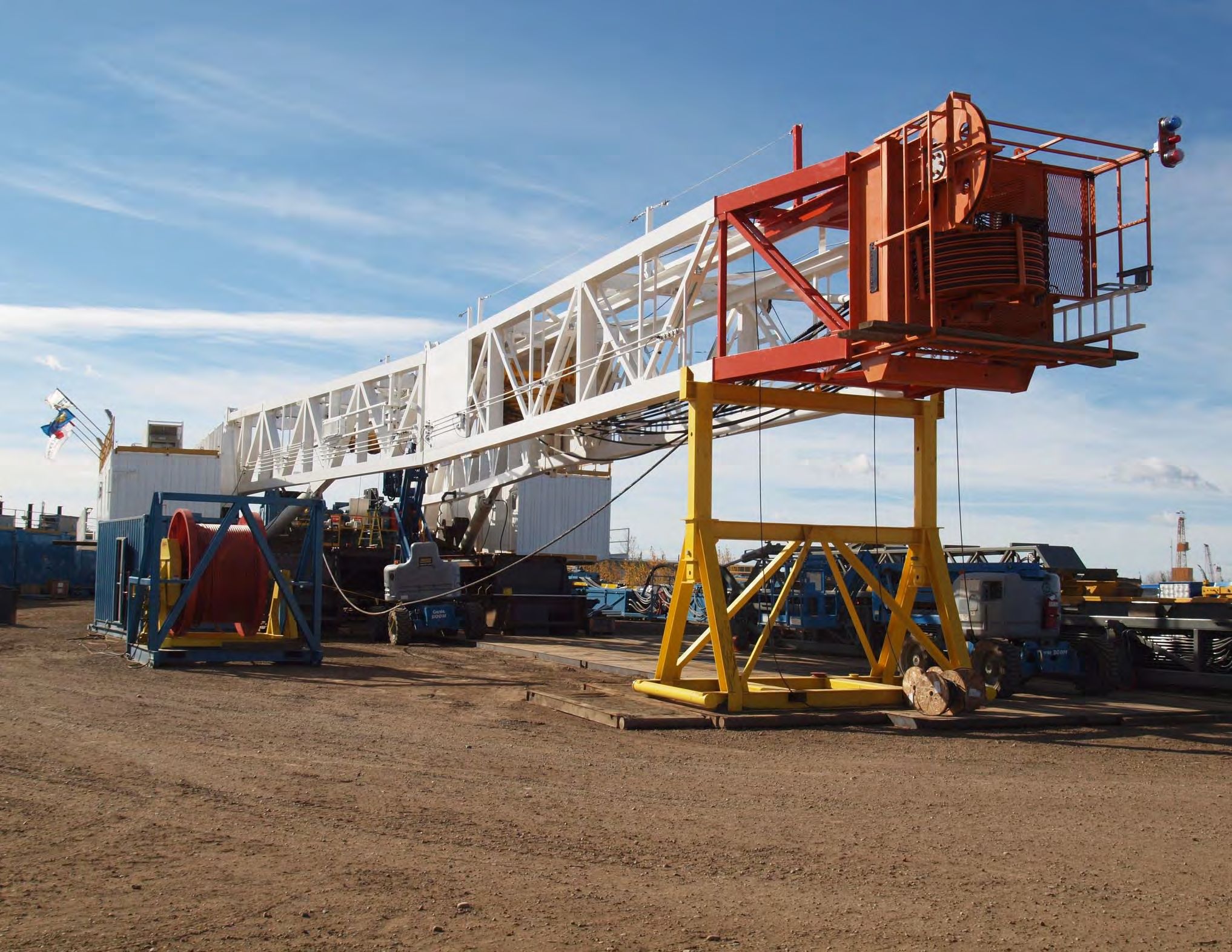
3600 HP AC Land Drilling Rig
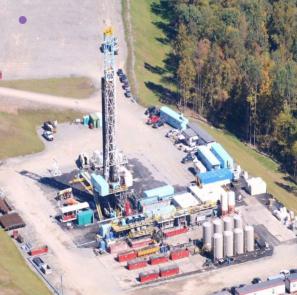
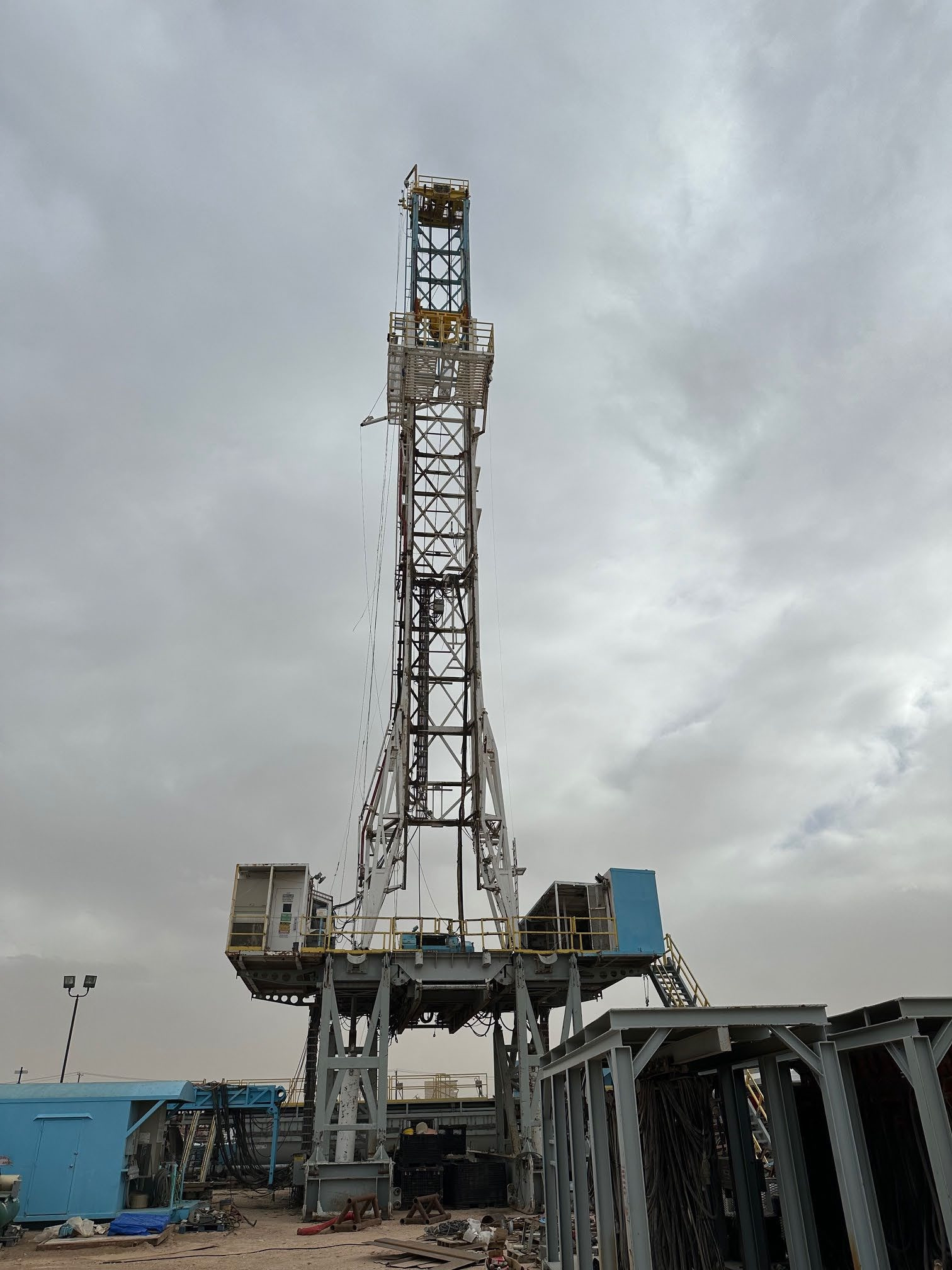
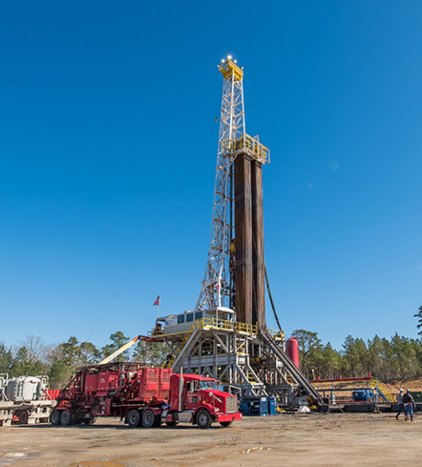
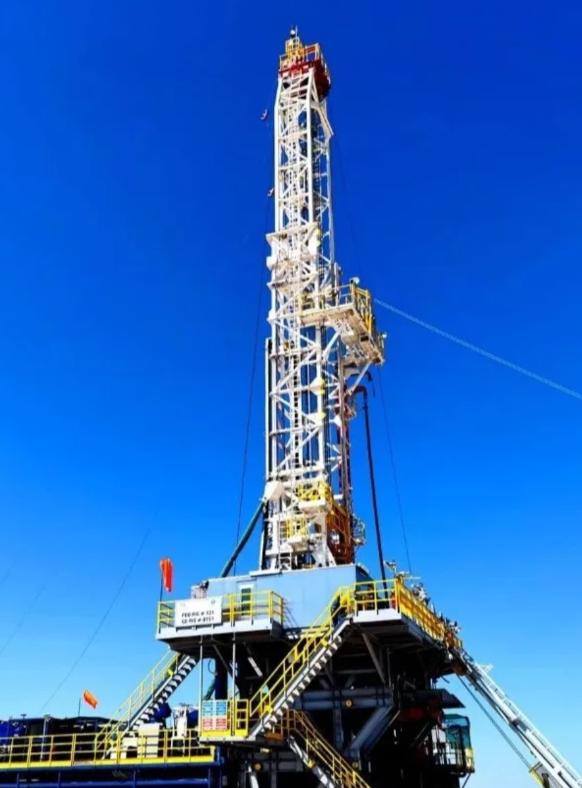
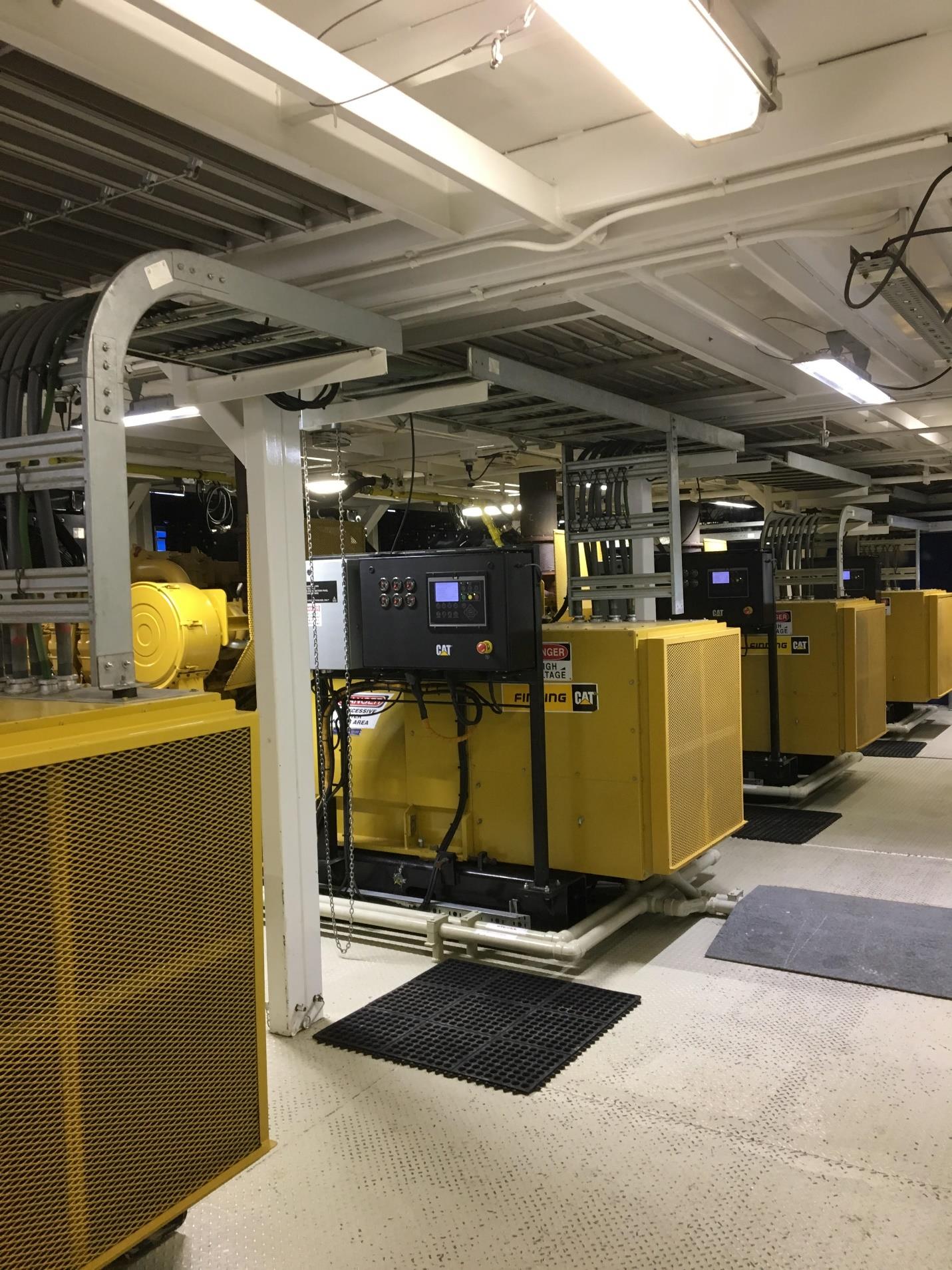
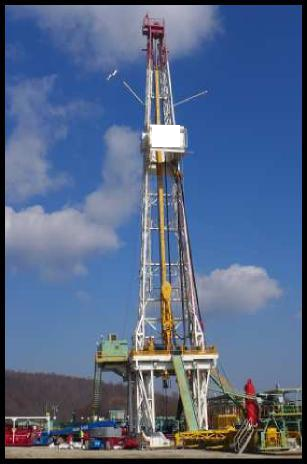
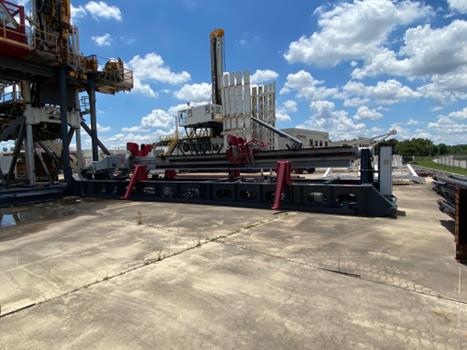
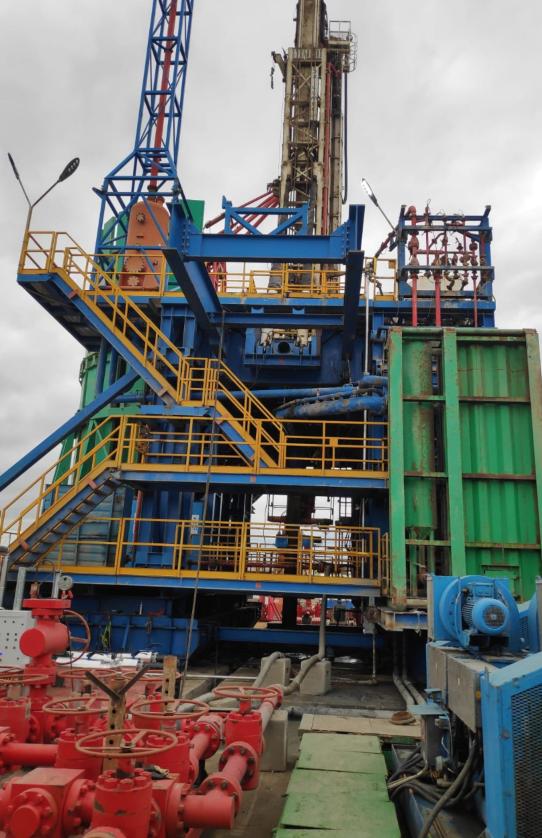
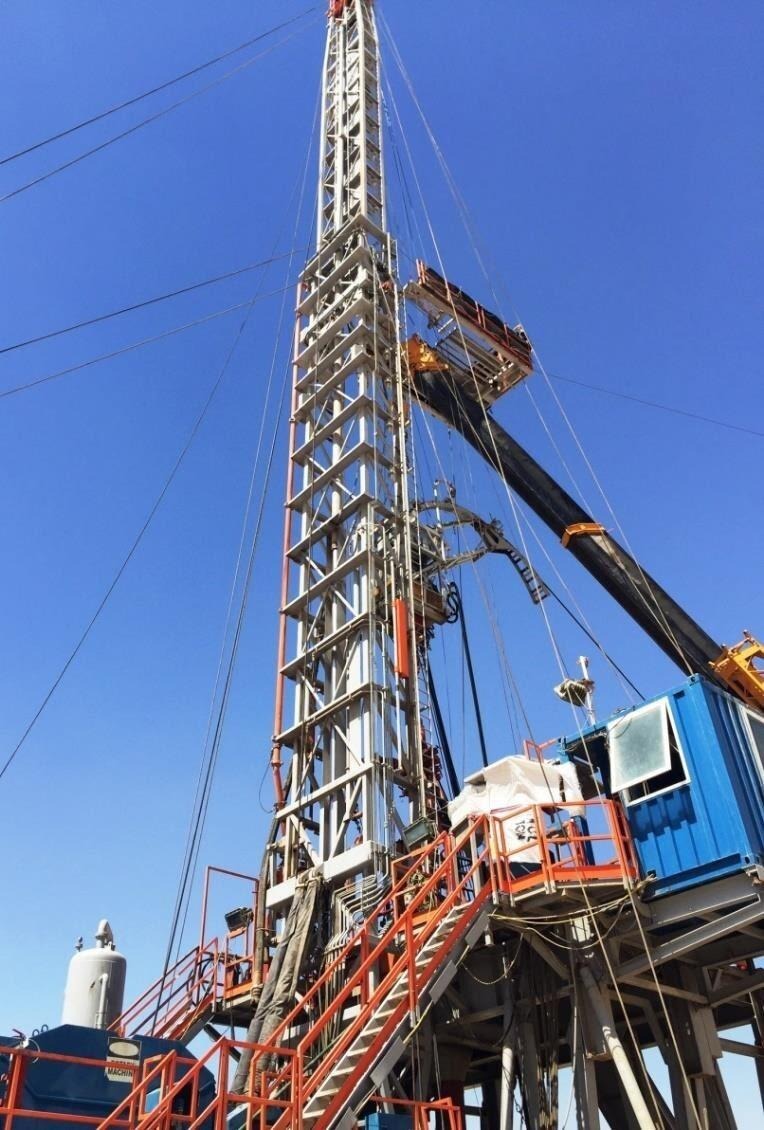
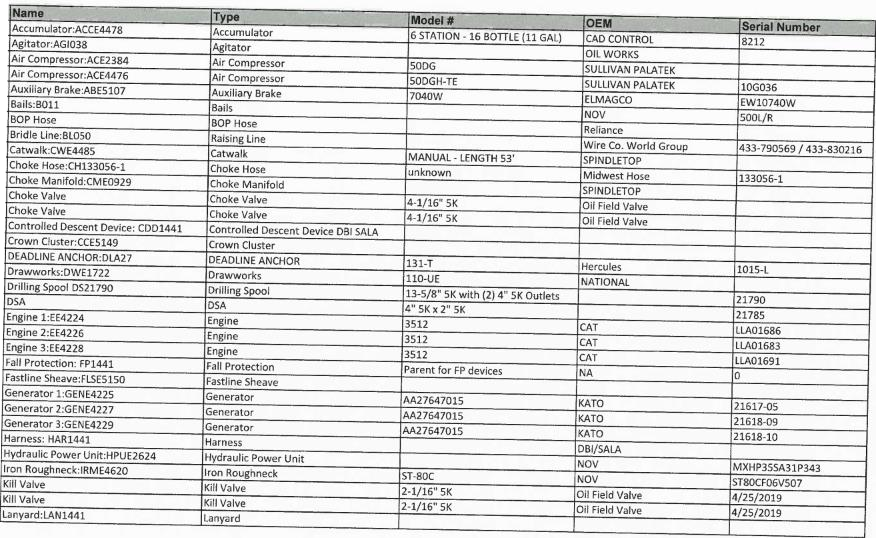
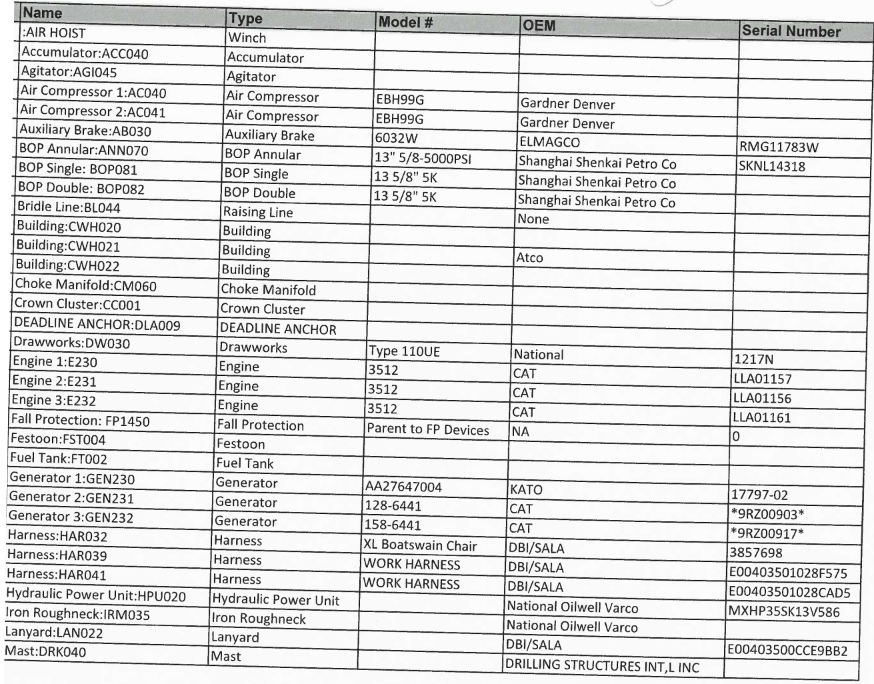
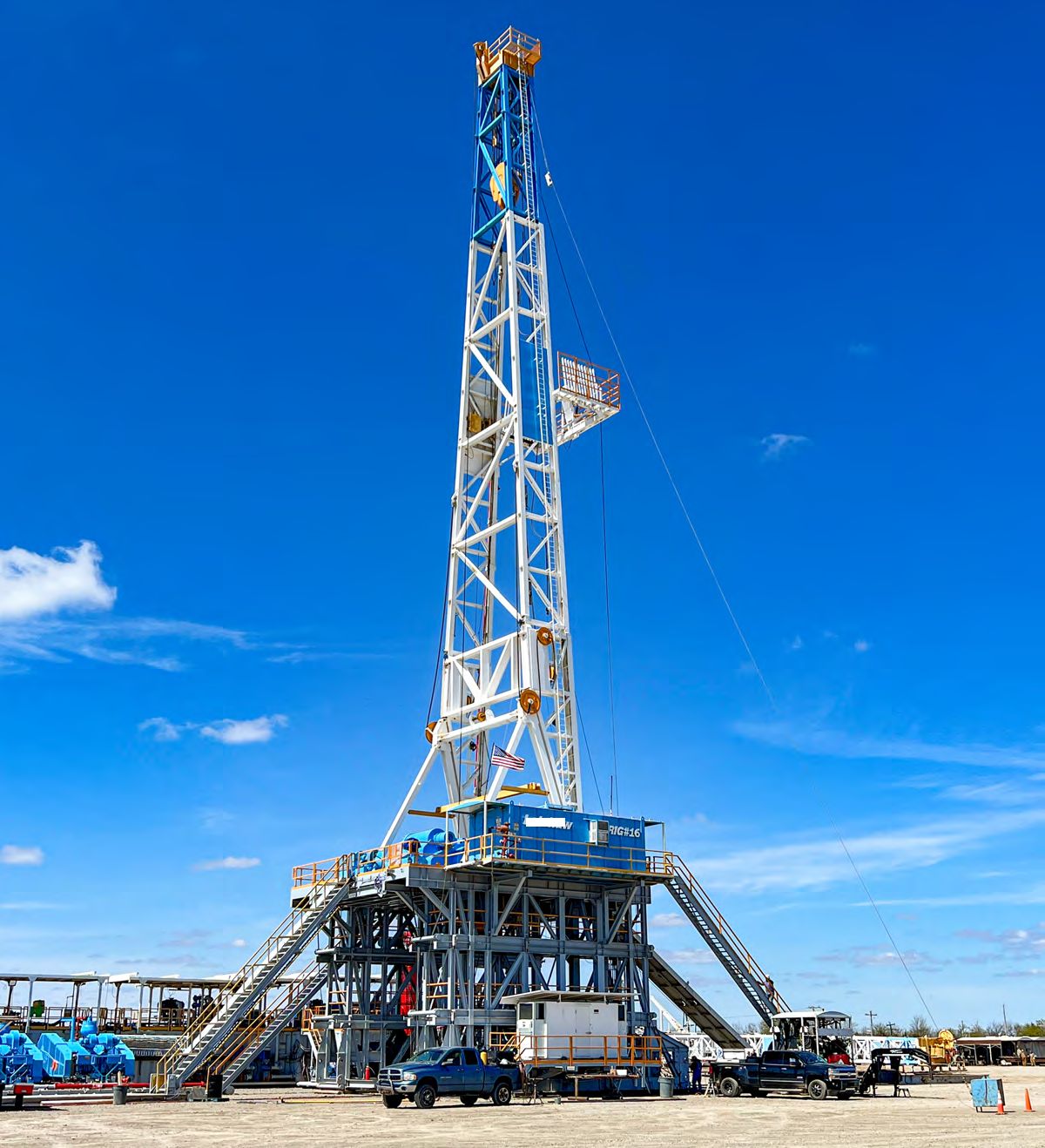
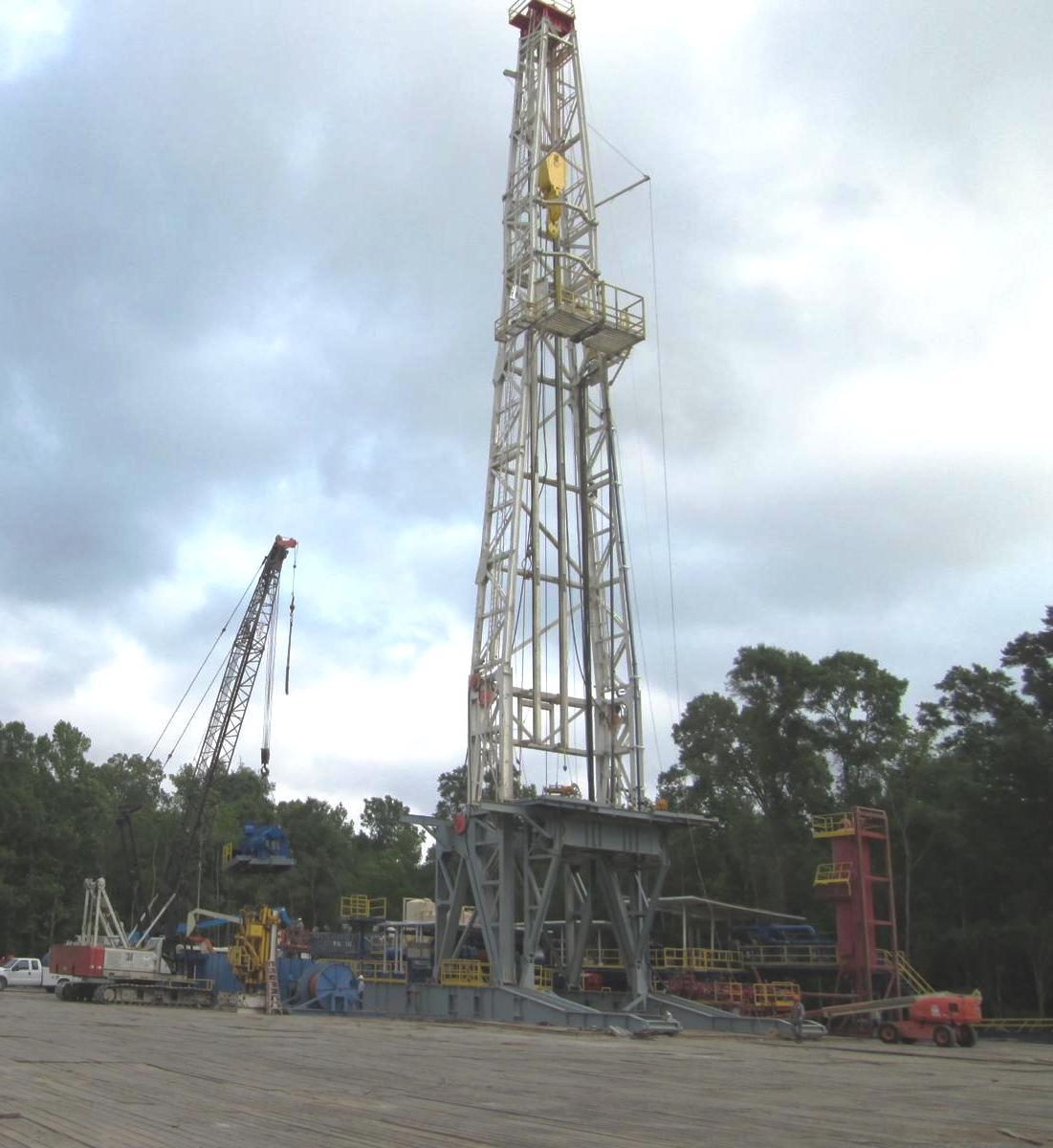
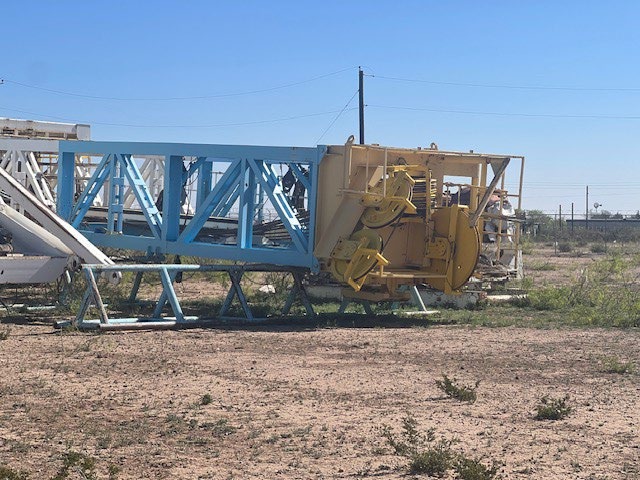
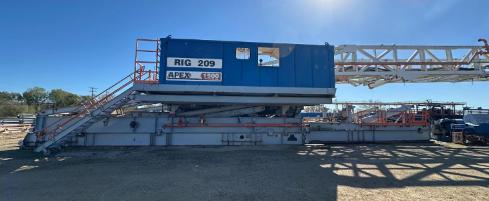
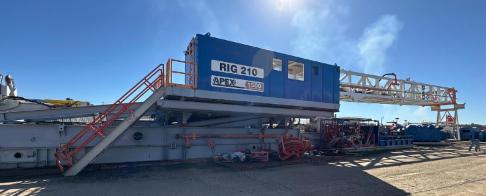
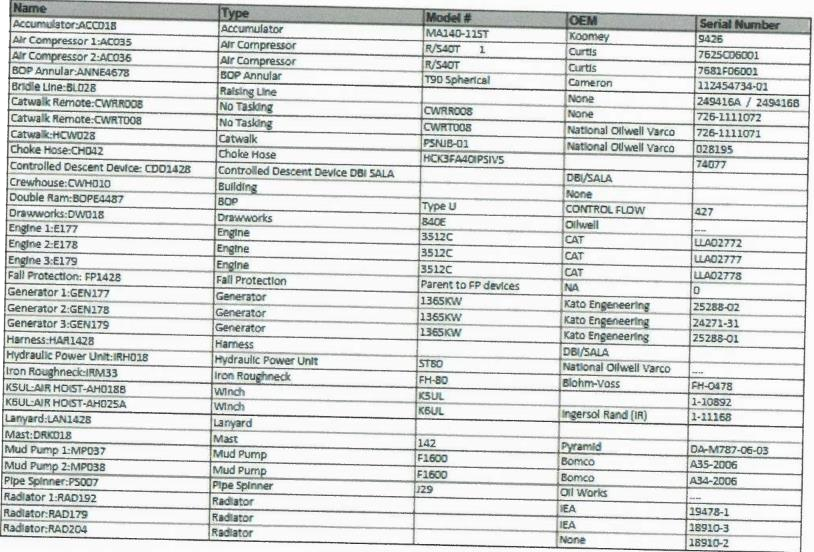
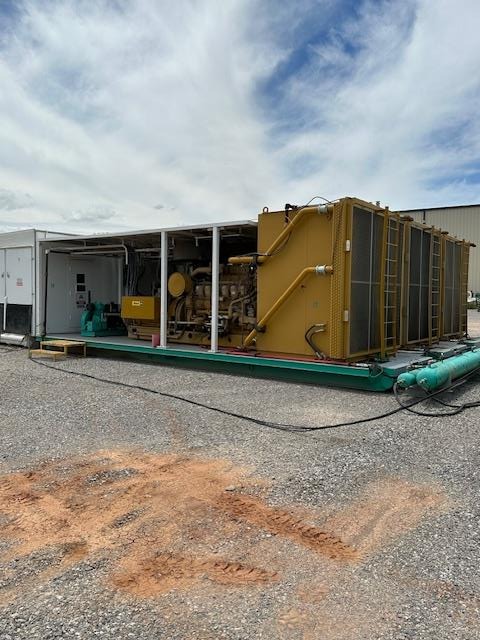
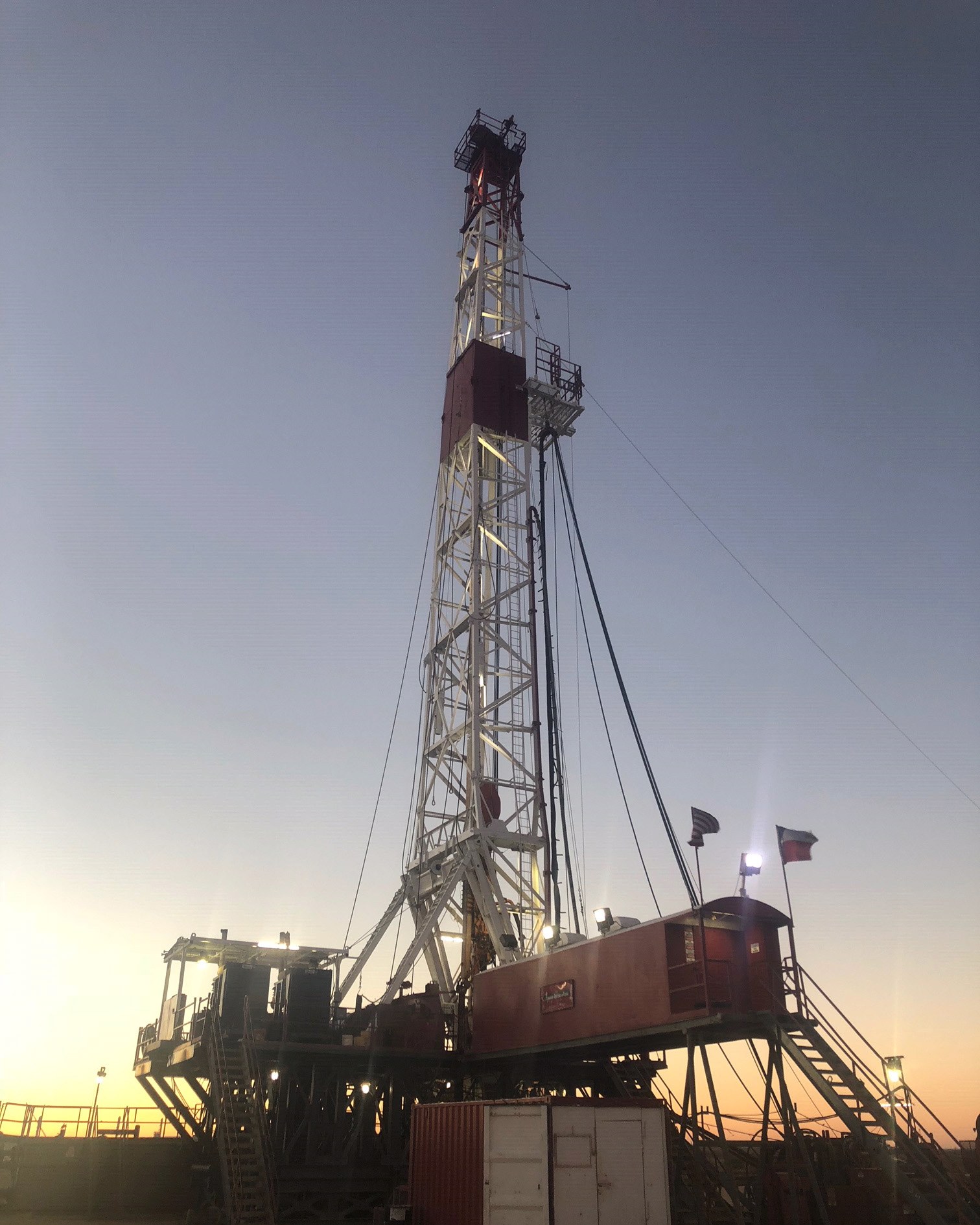
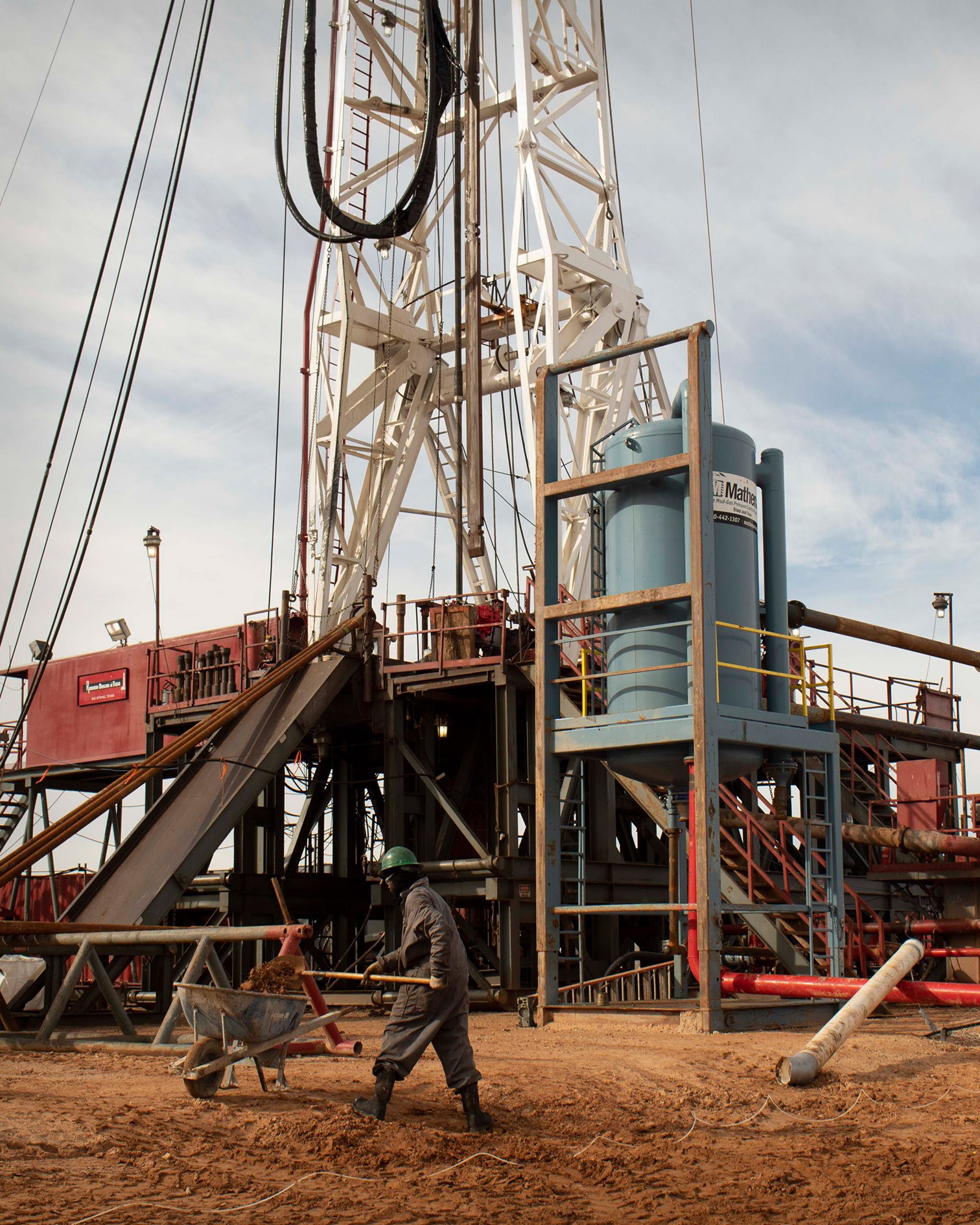
High-horsepower 3600 HP AC land drilling rig — two units available, variable frequency drive
Listed by Total Drilling Supply
View at Total Drilling Supply →
New and used land drilling rigs from 350 to 3,600 HP. Listed through our global sourcing network.
Oil Rigs Now lists land drilling rigs across the horsepower range operators actually run today: mechanical, SCR (silicon-controlled rectifier) and AC-VFD electric rigs from 350 to 3,600 HP, sourced from operators, drilling contractors and equipment liquidations across North America. Every rig below is inspected stock, ready to move — not a manufacturer catalogue. If you’re sizing a rig for a specific well programme, use the horsepower and drive-type notes below before you call; if you already know what you need, the listings speak for themselves.
Listings marked “Listed by [Company]” are offered directly by that company or owner. Oil Rigs Now doesn’t carry its own inventory — every listing is placed under a fee arrangement (flat listing fee or sale commission) agreed with the seller. Questions? Call 832-912-5843.
High-horsepower 3600 HP AC land drilling rig — two units available, variable frequency drive
New 3000HP AC/VFD Land Rig — Full commercial specification with pricing
Super Spec 1200 AC Rig — Walking-Ready, Odessa TX
Super-spec AC walking rig with walking catwalk — 28 wells, low hours, ready to work
AC-driven Gemini 750 Series — upgraded 1500HP rig with full component hours logged
2,000 HP Walking Rig - CANRIG AC Top Drive - 1M lb Hook Load - For Sale
Heavy-duty BOMCO 1500 HP land rig — new build with full API 4F certified mast and 10K BOP package
High-capacity BOMCO 2000 HP land rig — new build to KOC specification with 2,200 HP pumps and 15K BOP package
Full AC 2,000 HP Bomco land rig with NOV TDS-11SA top drive and 4-genset power package — built 2006
API-Compliant • ICC Rules • 15K BOP • Built to Spec
Brewster N4-A 750HP — certified 2024, lease-to-own, two F-1000 triplex pumps
Certified 2024 Brewster N4-A — 750 HP trailer-mounted rig available to buy or lease
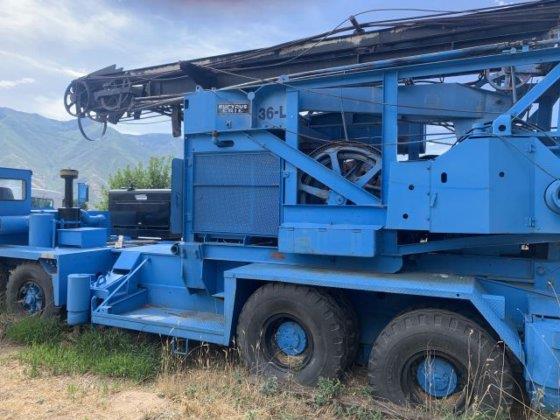
Bucyrus Erie 36L Cable Tool — 4-Axle Crane Carrier, Ready to Work
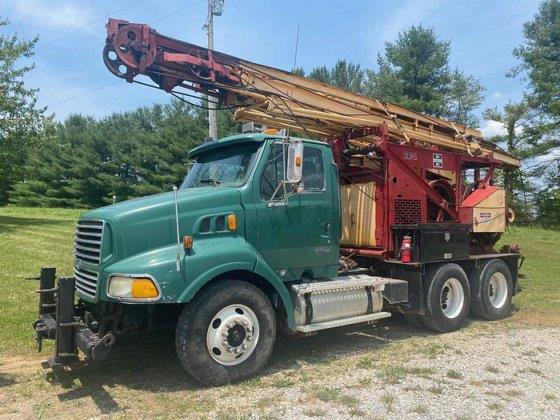
Bucyrus Erie 60L Cable Tool Drill Rig — Truck-Mounted, Ready to Work
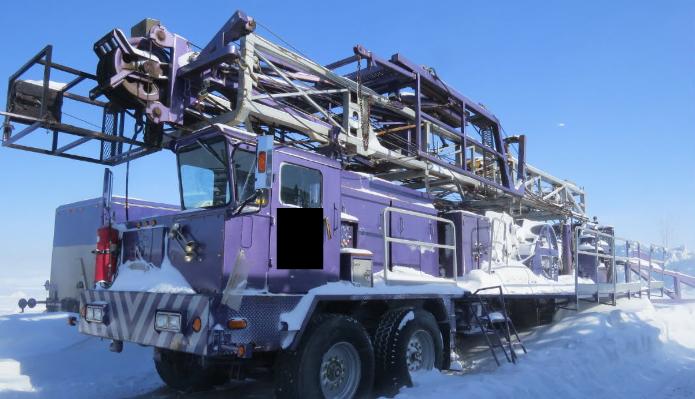
BW Hyduke 600P used land drilling rig — photo documentation package available
1969 Cardwell KB single/double carrier rig with freshly rebuilt engine and drawworks (2018)
CAT IV 2025 Certified • Corpus Christi TX • Ready to Deploy
1500 HP Continental Emsco C1 land rig with DSI 142-ft mast rated to 1,000,000 lb hook load — complete with Canrig 1250AC
1500 HP Continental Emsco C1 land rig with 30-ft substructure and 1,000,000 lb hook-load mast — equipped with Canrig 125
1500 HP Continental Emsco C1 SCR electric land rig with DSI 142-ft mast — fully equipped with Canrig top drive, catwalk,
CAT IV 2025 certified Continental EMSCO 1500 HP SCR rig — Corpus Christi TX
Cooper LT 350 — Compact trailer-mounted drilling rig available through TDS
Compact Crow Energy CE 1000 double rig with Tesco 250-ton top drive, 118-ft mast and 400,000 lb hook load
2008 Stewart & Stevenson CE750 — Carrier-Mounted, $3M
1000HP Land Rig — Davis Drawworks • Dual Cat D-3512 Mud Pumps
1,500 HP Davis 1500-E SCR rig with walking system, 350-ton top drive, and triple Cat 3512C power
Dreco Cantilever Triple 1500 HP land rig with Varco top drive and Gardner Denver mud pumps
2000 HP Dreco/Emsco triple electric rig with NOV TDS-11SA top drive, refurbished 2014, stacked in Georgia
Heli-portable 2000 HP DC drilling rig built for remote access, featuring a Varco top drive, National 1320-UE drawworks,
2026-certified 2300 HP Drillmec land rig — Cameron TX, ready to work
DRILLMEC SK801 3000HP — Italian-engineered land rig built for wells to 7,000m with full API compliance
2015 Drillmec HH220 1340 HP SCR — recertified telescopic mast land rig, 440,000 lb hook load
Drillmec HH-300FA hydraulic single-lift ram rig — 1,500 HP, recertified 2022, with full pipe handling automation
2011 Drillmec MR-8000 semitrailer-mounted mechanical rig with 440,000 lb hook load and dual 1000 HP mud pumps
Fully refurbished 2000HP triple electric with NOV top drive — stacked and ready in Georgia
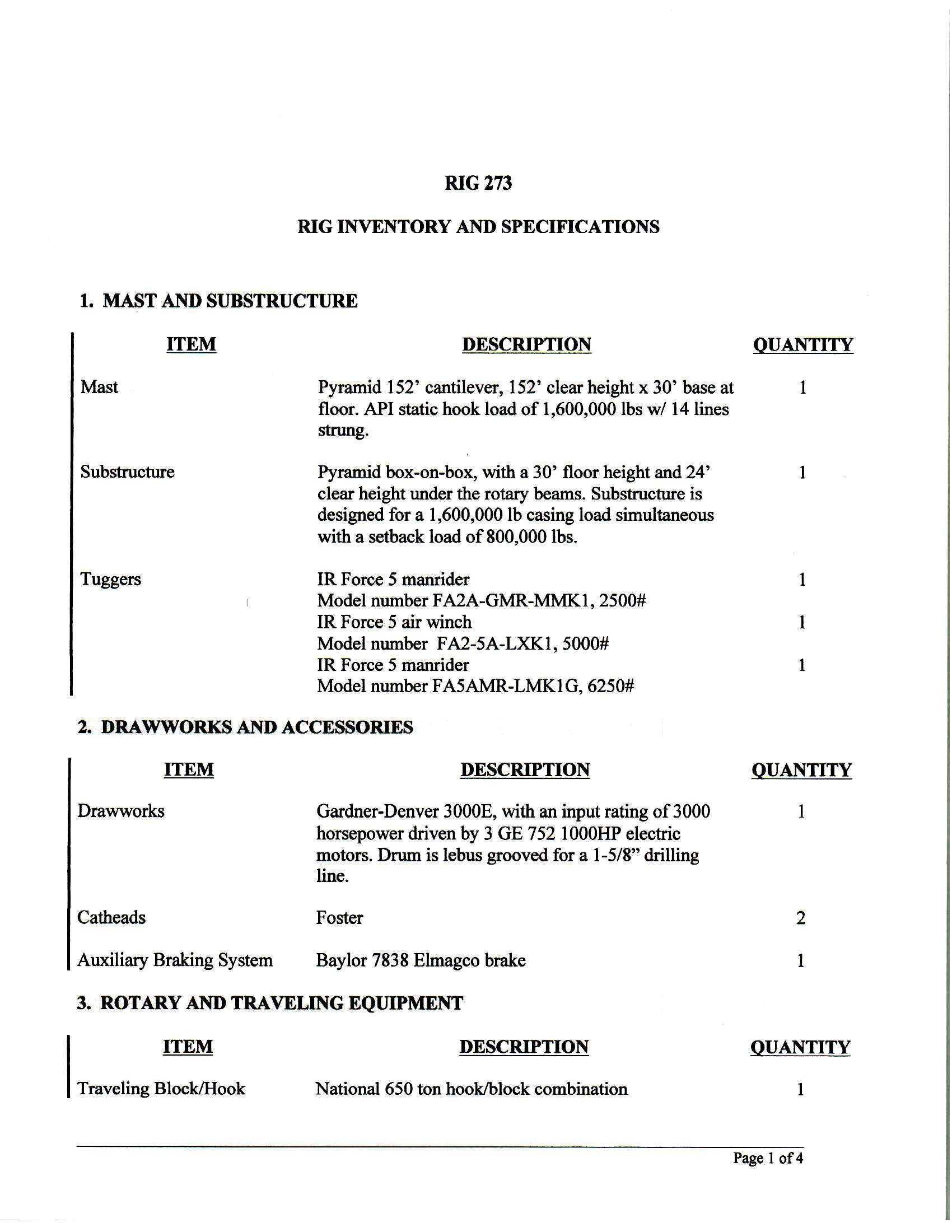
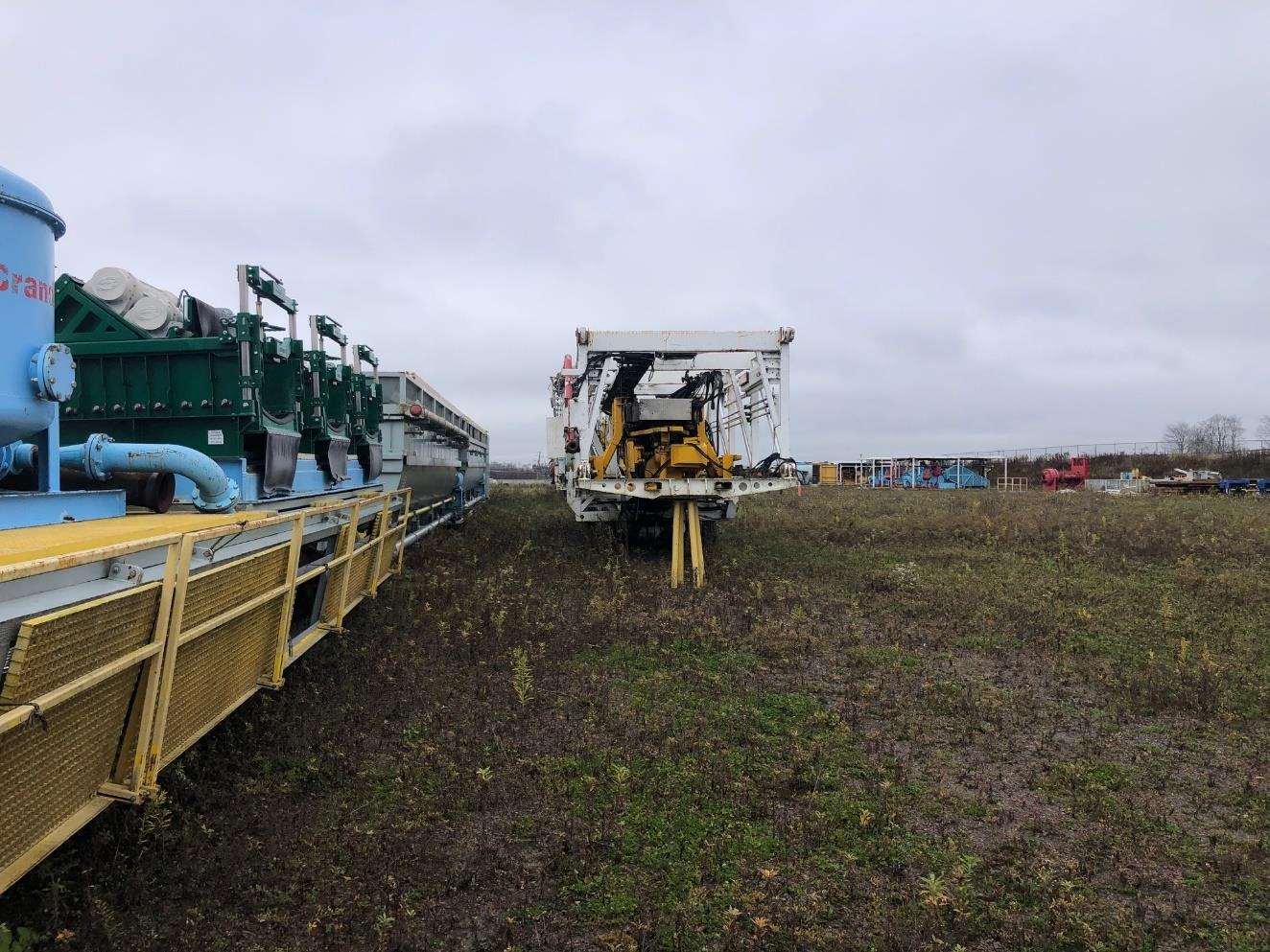
Gardner Denver GD-3000E 3000 HP Land Rig — Rig 273
Compact GEMINI 1200HP AC-VFD land rig with walking system, Canrig Rockit top drive, and full solids control
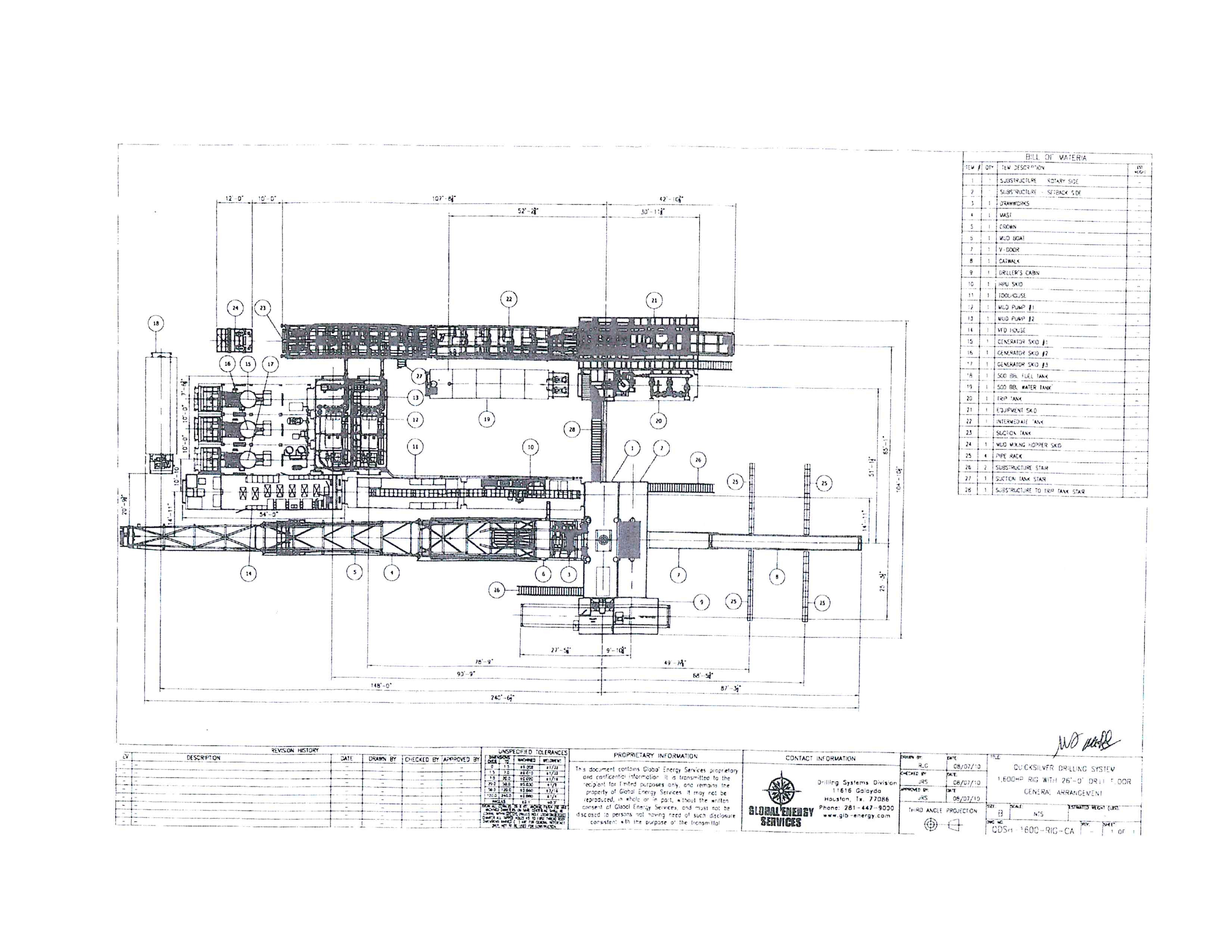
AC drive GES 1600 HP land rig with hydraulic skidding system and full solids-control package
GES 1600 HP AC-VFD Electric Walking Rig — Rig 163
High-capacity AC-VFD rig with mast-skidding capability and 750,000 lb hookload
NOV-integrated wheeled STE with Amphion/Cyberbase controls — available in Kuwait
2000HP Honghua AC/VFD land rig — Chinese-built modern drive technology for demanding deep-well programs
Deep-reach AC VFD land rig engineered for Kuwait desert operations
3300HP AC DBS Drilling Rig — Ultra-Deep Desert Spec, Kuwait
H&P FlexRig 4S++ 1500HP AC/VFD — advanced super-spec flex rig with integrated top drive and regenerative braking
Heavy-duty 2000HP DC land rig with CANRIG top drive and Weatherford triplex pumps
CAT IV 2025 Certified • IDECO 1200HP Walking Rig • Corpus Christi TX
CAT IV 2025 certified IDM-1500 SCR rig — Corpus Christi TX, $7.5M
CAT IV 2025 certified 1500 HP SCR walking rig — Corpus Christi TX, $7.5M
Gemini 750 Series AC rig — commissioned 2011, upgraded 1500HP/750K in 2016 with Canrig top drive
Gemini 750 Series AC rig — commissioned March 2012, upgraded 1500HP/750K in 2016
Gemini 750 AC Series — hydraulic mast, Canrig Rockit top drive, 12-line rig-up
Fully recertified 2000HP AC rig — new motor, new API Cat IV on mast, sub, and top drive
Proven 1,500 HP SCR land rig with IR 2550 drawworks and Lee C. Moore free-standing beam-leg mast
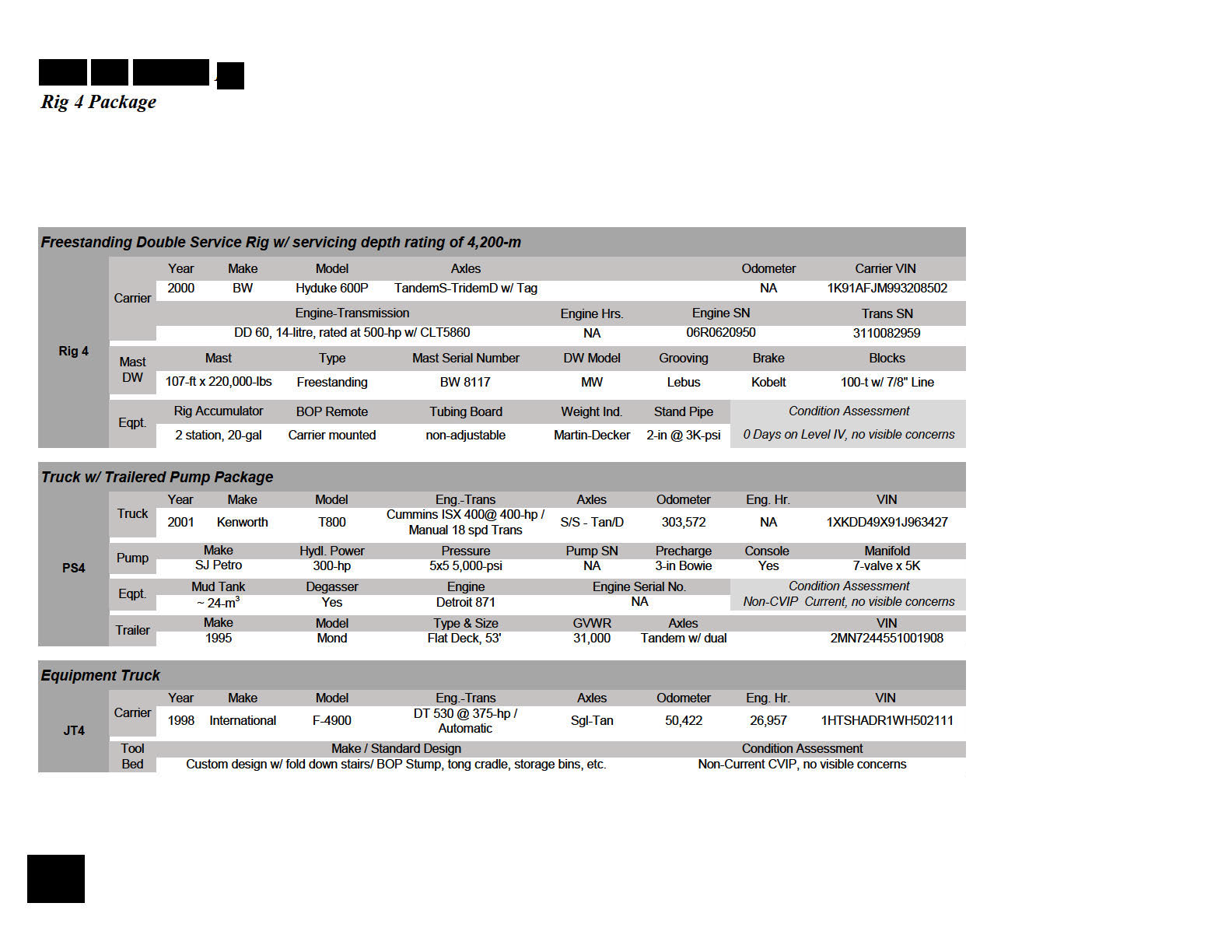
Freestanding double service rig with full workover package, rated to 4,200 m
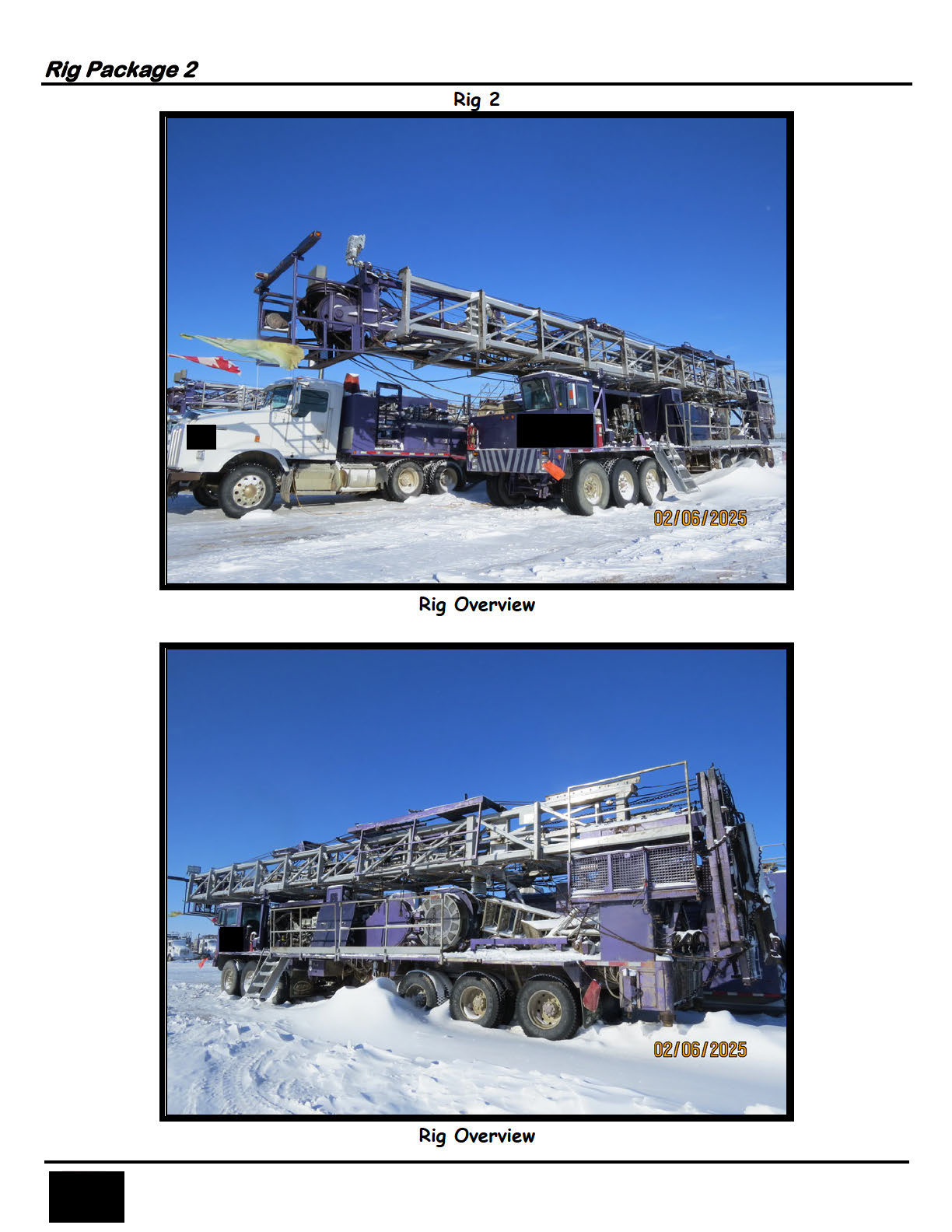
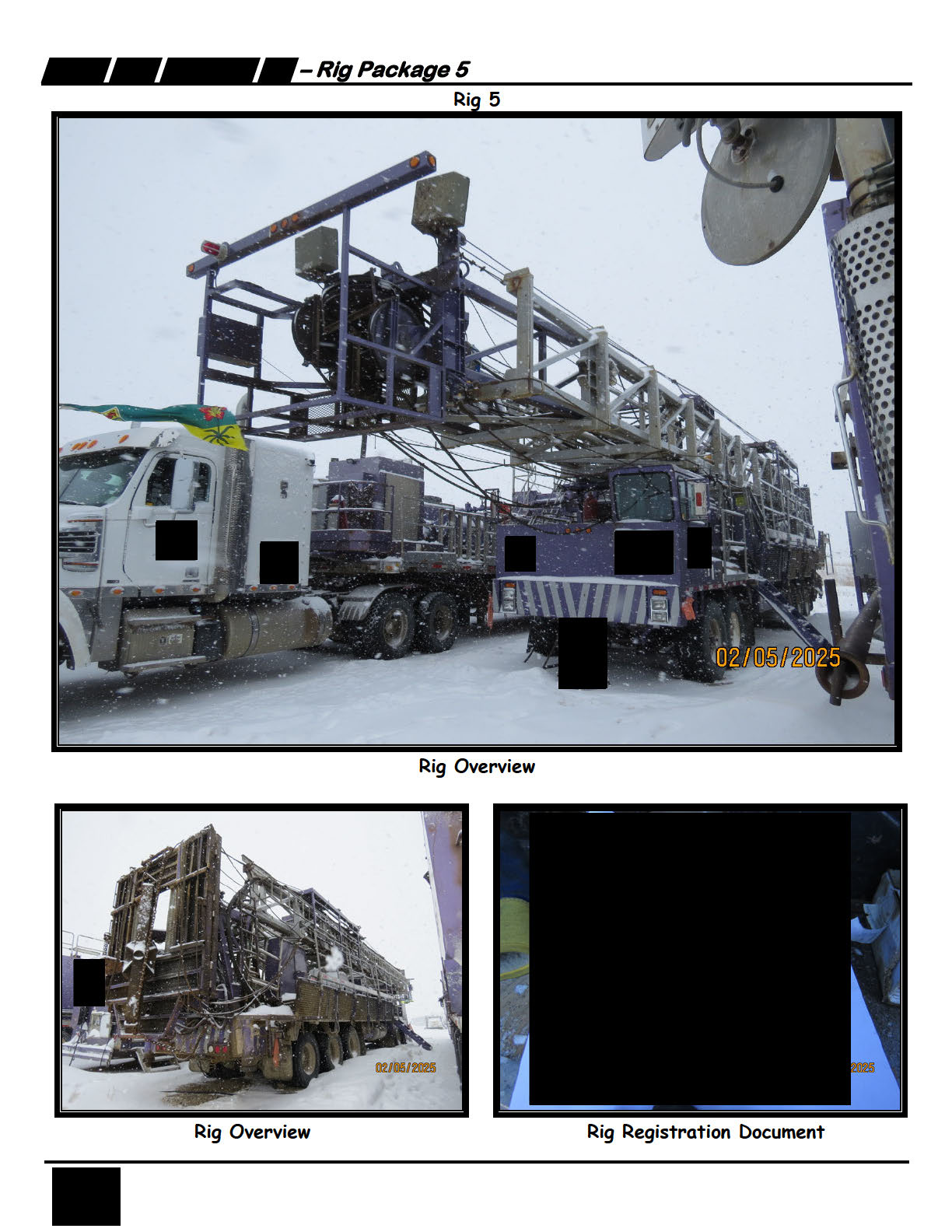
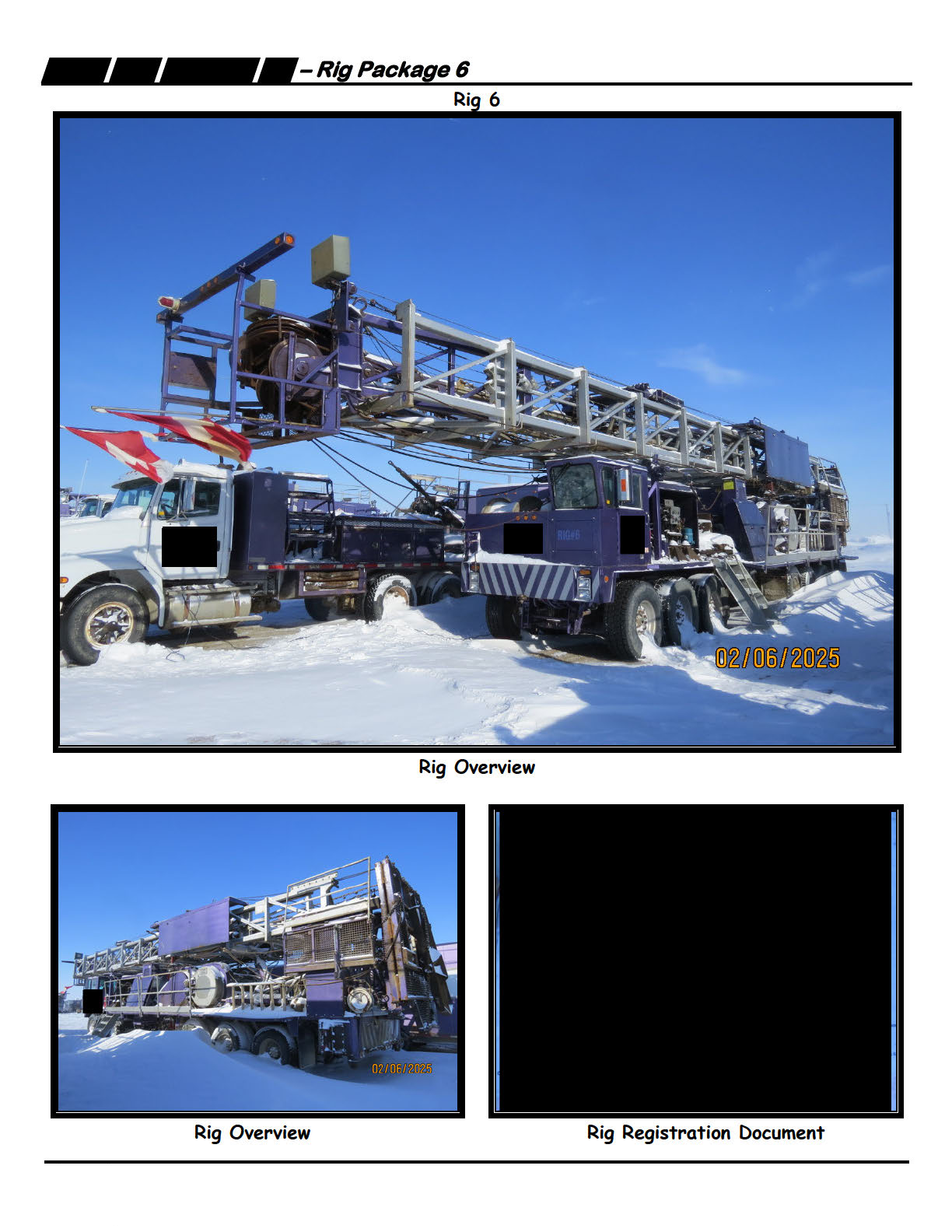
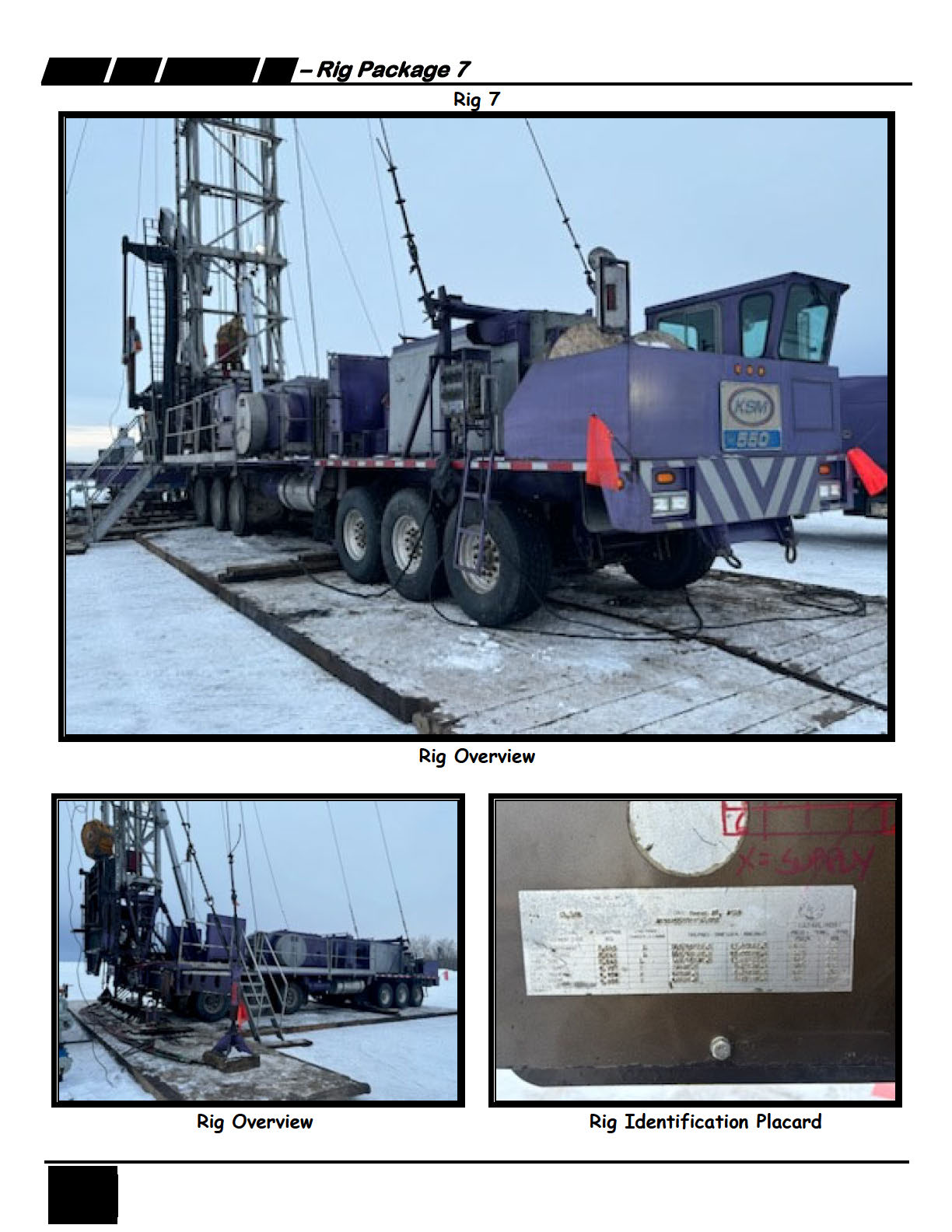
KSM 550 Trailer-Mounted Rig • 2005 • Complete Package • Available Now
KSM 550 Trailer-Mounted Rig • 2005 • Complete Package • Available Now
KSM 550 Trailer-Mounted Rig • 2013 • Later Build • Complete Package
Kurui 2000HP Land Rig • 2014 Build • Full-Height Mast • Available Now
Compact 1,000 HP mechanical rig with hydraulic top drive, triple 1,000 HP pump spread, and full BOPs — field-ready, US-b
1000HP carrier-mounted drilling rig — mobile platform built for Latin American field operations
LTI 3000HP AC rig — 25,000ft depth-rated with 1.7M lb hook load, upgraded 2015
MD Cowan Super Single AC-SCR-DC — compact 1000HP drilling unit on 15 trailers
MD Cowan Super Single — 1000HP AC-SCR-DC Land Drilling Rig
Super Single - AC-SCR-DC - Dubai Located - Ready for Mobilisation
MD Cowan Super Single — 1000HP AC-SCR-DC Land Drilling Rig
Fully equipped 1,500 HP AC SCR land rig with triple mud pumps and Canrig top drive — ready for demanding operations
High-spec AC walking rig with 23,000 ft setback and full pump package
National 110-UE 1500 HP land rig — proven North American workhorse
National 110-UE 1500 HP land rig — robust workhorse with proven pedigree
Rig 16 — NOV National 1625DE 3000HP with Walking System
National 1320UE 2000HP land rig — detailed specs pending photo-only PDF review
National 1625M 3000HP rig in Texas — SCR-powered deep-well capable unit with DRECO cantilever mast
National 80UE 1200HP • Certified 2024 • Available for Sale or Lease
1,000 HP National D1000E SCR rig with hydraulic walking system and Warrior top drive — fully equipped and ready to drill
National OilWell E-2000 HP Diesel Electric — Certified, Odessa TX
AC VFD Drilling System • 1,500 HP • 18,000 ft Depth Rating • Available Now
NOV Ideal 1500HP walking rig commissioned 2011, fully equipped with Canrig top drive and AC-VFD controls
Walking Drilling System • SCR Electric • Refurbished • Houston TX
Walking Drilling System • SCR Electric • Refurbished • Houston TX
NOV National 110-UE 1500 HP — Q2 2024 Certified, Walking System, $6M
NOV National 110-UE 1500 HP Rig 7 — Walking System, $5M
Oilwell E-2000 2000HP land rig — classic American drawworks, specs pending photo review
Oilwell 760-E 1200 HP skid-mounted rig with Tesco top drive and twin BOMCO mud pumps
Oilwell 840E 1500 HP land rig — classic iron with broad parts support
Box-on-Box Substructure • DSI Cantilever Mast • NOV TDS-11 Top Drive
Rig 90 — 3000HP AC Ultra Pad-Drilling Rig with Gardner Denver PZ-2400 Pumps
1500HP AC 600K Cantilever Triple — 2011 Build with Walking System
Rig 602 — ROF T750 2200HP Walking Rig with Cameron Automation Package
Category IV certified 1200HP land rig with TESCO top drive — ready for immediate deployment
TDS 1500 HP AC Variable Frequency Drive land drilling rig — contact Total Drilling Supply for full specifications and av
Complete 1500 HP SCR land rig with Canrig top drive, triple CAT power and hydraulic walking system
Tesco hydraulic 1000 HP double rig with all-Tesco rotating package and 102-ft swing-up mast
2000HP AC/VFD-equipped land drilling rig — modern drive technology for deep-well applications
Oilwell 76 Drawworks · Tesco 250-Ton Top Drive · Big Spring TX
Oilwell 76 Drawworks · Tesco 250-Ton Top Drive · 4.5" Pipe · Big Spring TX
Brewster N-75 · Tesco 250-Ton Top Drive · Pipe Handling · Big Spring TX
Brewster N-46 · Conventional Drive · TOTCO Rig Sense · Big Spring TX
Gardner-Denver 1100M · 3× CAT 3412 · 500-Ton Top Drive · Big Spring TX
Horsepower is the first filter, and it is the one buyers get wrong most often by rounding to a round number instead of matching the drawworks brake horsepower to actual well depth and hookload. As a rough guide: rigs in the 500–1,000 HP range handle shallow-to-moderate vertical and directional wells; 1,000–1,500 HP is the workhorse band for most onshore development programmes; 1,500–2,000 HP covers deeper and extended-reach horizontal wells; above 2,000 HP is reserved for the deepest or most demanding programmes, including high-pressure/high-temperature work. Match the rig’s drawworks rating and mast/substructure capacity to your actual hookload at total depth, not just to the horsepower number on the spec sheet — two rigs badged at the same HP can have materially different hoisting capacity depending on drawworks generation and gearing.
Mechanical rigs are the simplest and cheapest to maintain, well suited to shallower, more predictable programmes where uptime on straightforward wells matters more than fine control. SCR (DC electric) rigs offer better torque control and smoother operation than mechanical, and were the standard upgrade path through the 2000s and 2010s — a large share of the used market is still SCR. AC-VFD rigs are the current standard for new-build and premium used equipment: better torque and speed control, smoother top-drive integration, lower maintenance on the drive train, and generally better fuel efficiency. If you’re comparing two rigs at similar HP and price, the drive type is usually the bigger differentiator in day-to-day operating cost than the headline horsepower figure.
Every rig listed here has been through an inspection pass before it’s offered — mechanical systems, structural components (mast, substructure, drawworks), and electrical/control systems where applicable. Condition on a used rig is not binary; the real questions are mast and substructure fatigue history, drawworks and gearbox hours, top drive condition where fitted, and whether the rig comes with a current inspection/certification package or needs one before it can go to location. Ask for the inspection report and maintenance history on any rig you’re seriously evaluating — a lower price on a rig needing a substructure recert or a drawworks rebuild can cost more than a higher-priced rig that’s ready to run.
Beyond the rig itself: confirm mobilisation logistics (rig-up/rig-down crew availability, transport permits for the mast and substructure sections, route survey if the rig is moving cross-state), confirm what’s included (top drive, mud pumps, generators, camp equipment, or sold separately), and confirm title and lien status before wiring funds — used rig transactions move fast in this market and a clean title check is standard due diligence, not an insult to the seller. Oil Rigs Now coordinates the transaction and can walk you through all three.