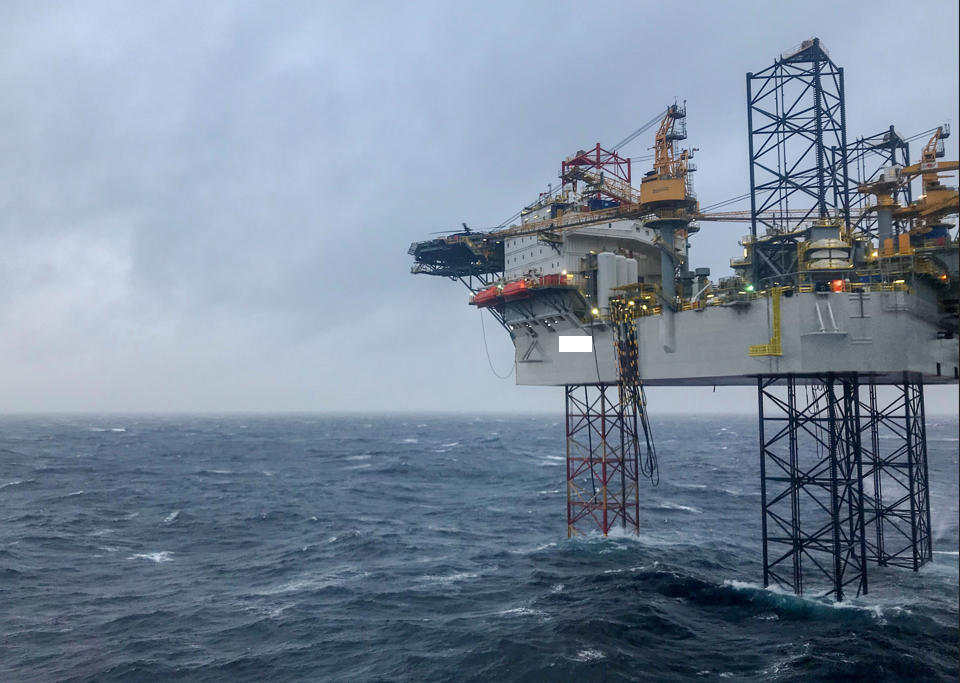
Jackup
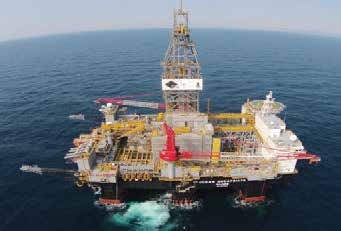
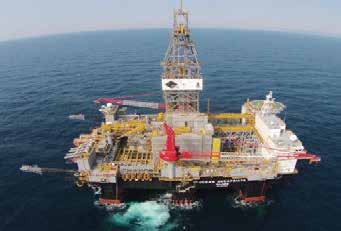
Highlander (JU-2000E)
2015 Friede Goldman JU-2000E Jackup — 400ft Water Depth, Jurong-Built
Listed by Total Drilling Supply
View at Total Drilling Supply →
Barge rigs, semisubmersibles, and jackup rigs listed through our global sourcing network.
Offshore drilling units — jackups, semisubmersibles and barge rigs — for operators and brokers sourcing in the harder-to-reach end of the used-equipment market. Oil Rigs Now’s offshore inventory (8 units: 2 barge, 4 semisubmersible, 2 jackup) spans water depths and hookloads from shallow-water barge work through deepwater semisubmersible capability. These are specialist, high-value transactions; Oil Rigs Now coordinates the deal, from initial spec match through survey and transfer.
Listings marked “Listed by [Company]” are offered directly by that company or owner. Oil Rigs Now doesn’t carry its own inventory — every listing is placed under a fee arrangement (flat listing fee or sale commission) agreed with the seller. Questions? Call 832-912-5843.
2015 Friede Goldman JU-2000E Jackup — 400ft Water Depth, Jurong-Built
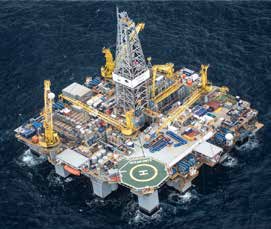
6th-Gen Ultra-Deepwater Harsh Environment Semisubmersible — 9,840ft WD
Deepwater Moored Harsh-Environment Semisubmersible — Enhanced Victory Class, Upgraded 2020
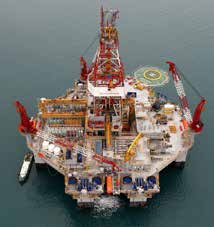
5th-generation ultra-deepwater moored semisubmersible, 8,000 ft WD rated, 35,000 ft drilling depth
6th-generation DP/moored ultra-deepwater semisub, 9,840 ft WD, 5,750 HP drawworks, 8x azimuth thrusters
Barge rigs work shallow, protected water (bays, marshes, rivers) where a jackup’s legs or a semisub’s mooring aren’t practical or necessary — the lowest day-rate offshore option where the environment allows it. Jackups are the workhorse for shallow-to-moderate water depth (typically up to a few hundred feet), self-elevating on legs jacked to the seabed for a stable drilling platform. Semisubmersibles operate in deeper water on a floating, moored or dynamically-positioned hull, trading higher day rates and complexity for water-depth capability no jackup or barge can reach. Get the water depth and seabed conditions for your target location settled before you start comparing units — it eliminates most of the field immediately.
Classification (ABS or equivalent) and stated water-depth rating are the two numbers that matter most on an offshore spec sheet, and both need reading carefully: a rated water depth is a design capability, not a guarantee the unit is currently certified to operate at that depth today — ask for current class status and survey history, not just the nameplate rating. Drilling depth capacity, variable deck load, and for jackups the leg length and jacking system, are the next tier of comparison once water depth has narrowed the field.
These are larger, slower transactions than a land rig purchase: expect a full technical survey, class society documentation review, and — depending on the unit’s history and intended destination — flag-state and import considerations if the rig is moving between jurisdictions. Build survey and inspection time into your timeline from the start rather than treating it as a closing formality; it routinely determines the final price as much as the initial spec match does.